Skip to content
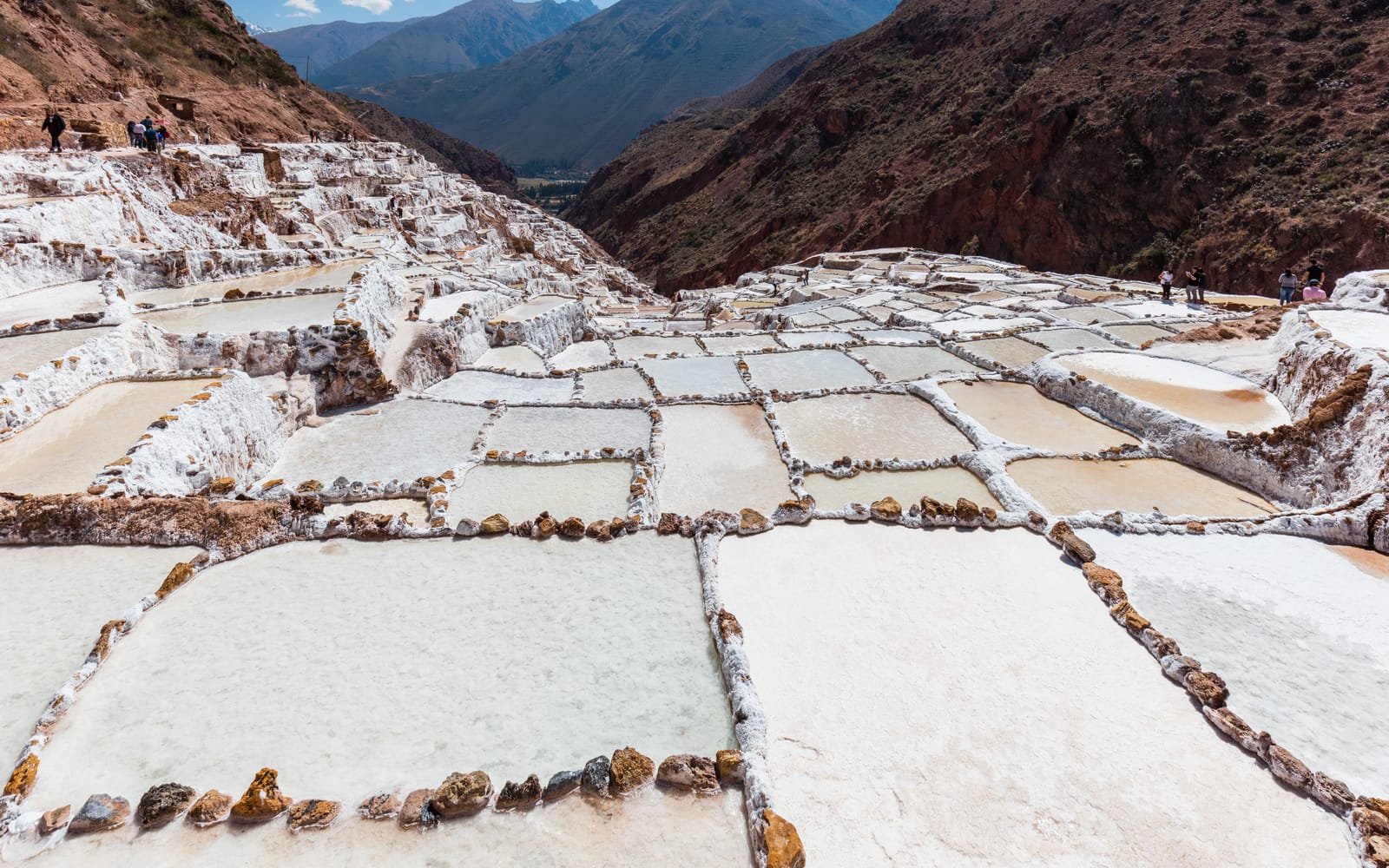
The white salt terraces of Salineras de Maras stepping down a red valley

Maras Salt Mines

Three thousand salt pans on a cliff

A spring rises inside this mountain carrying water five times saltier than the sea. Nobody knows exactly when people started catching it, but the terraces were already ancient when the Inca formalised the system, and the same families have worked them ever since — around 3,000 shallow pans stepping down a red ravine above the Urubamba.

The method has not changed. A network of hand-cut channels feeds each pool in turn; the sun does the rest; and every few weeks the owner rakes out a crust of pink salt. Ownership is communal and inherited — the pans belong to the Maras community, and any resident may claim an unworked one.

Top things to do at Maras Salt Mines

Take in the whole basin from the viewpoint

The main platform above the pans is where the classic photograph comes from — thousands of white and ochre rectangles fitted into the hillside.

Watch the harvest

If you come in the dry season you will see workers scraping crusted salt into piles and carrying it out in sacks on their shoulders.

Buy salt at the source

Stalls at the entrance sell pink cooking salt, salt flakes and salt-based cosmetics. It is cheaper here than anywhere in Cusco.

Combine it with Moray

The two sit on the same plateau, twenty minutes apart, and nearly every tour pairs them. Doing them together is the efficient move.
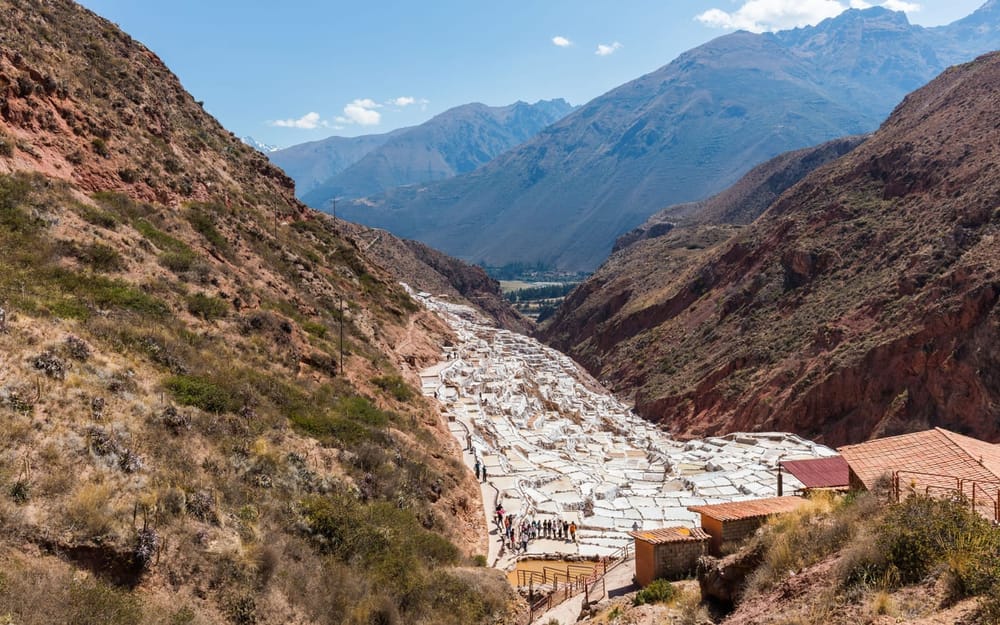
The white salt terraces of Salineras de Maras stepping down a red valley

How to get to Maras Salt Mines

  • From Ollantaytambo: about 45 minutes by car via Urubamba and the Maras turn-off.
  • From Cusco: roughly 1 hour 30 minutes; almost all Sacred Valley tours include it.
  • On foot: a well-known downhill trail runs from the Maras road to the pans and on to Tarabamba on the valley floor — about 2 to 3 hours.

Insider tips

  • Maras is not on the Cusco Tourist Ticket. There is a separate entrance fee of about S/10, cash only.
  • Since 2019 visitors can no longer walk among the pans — you view them from the platforms and the perimeter path.
  • At 3,380 m and with white salt reflecting the sun, this is the most exposed stop in the valley. Sunglasses and a hat are essential.
  • Late afternoon light turns the pools gold; midday flattens them out.

Best tours & tickets for Maras Salt Mines

These top-rated experiences are the easiest way to see Maras Salt Mines without organising a thing:
The white terraced salt pools of Salineras de Maras Private half-day tour from $72
🕒 Approx. 5 hours 📍 From Ollantaytambo (hotel pickup) ⭐ 4.9 (43)

From Ollantaytambo: Private Half-Day Tour to Maras & Moray

The best half-day if you are already staying in town. You skip the long Cusco transfer, reach Moray before the coach convoys and are back in Ollantaytambo in time for an afternoon train or a climb up Pinkuylluna.

  • Starts and ends in Ollantaytambo — no 05:00 start from Cusco
  • The 3,000 salt pans of Salineras de Maras, worked since before the Inca
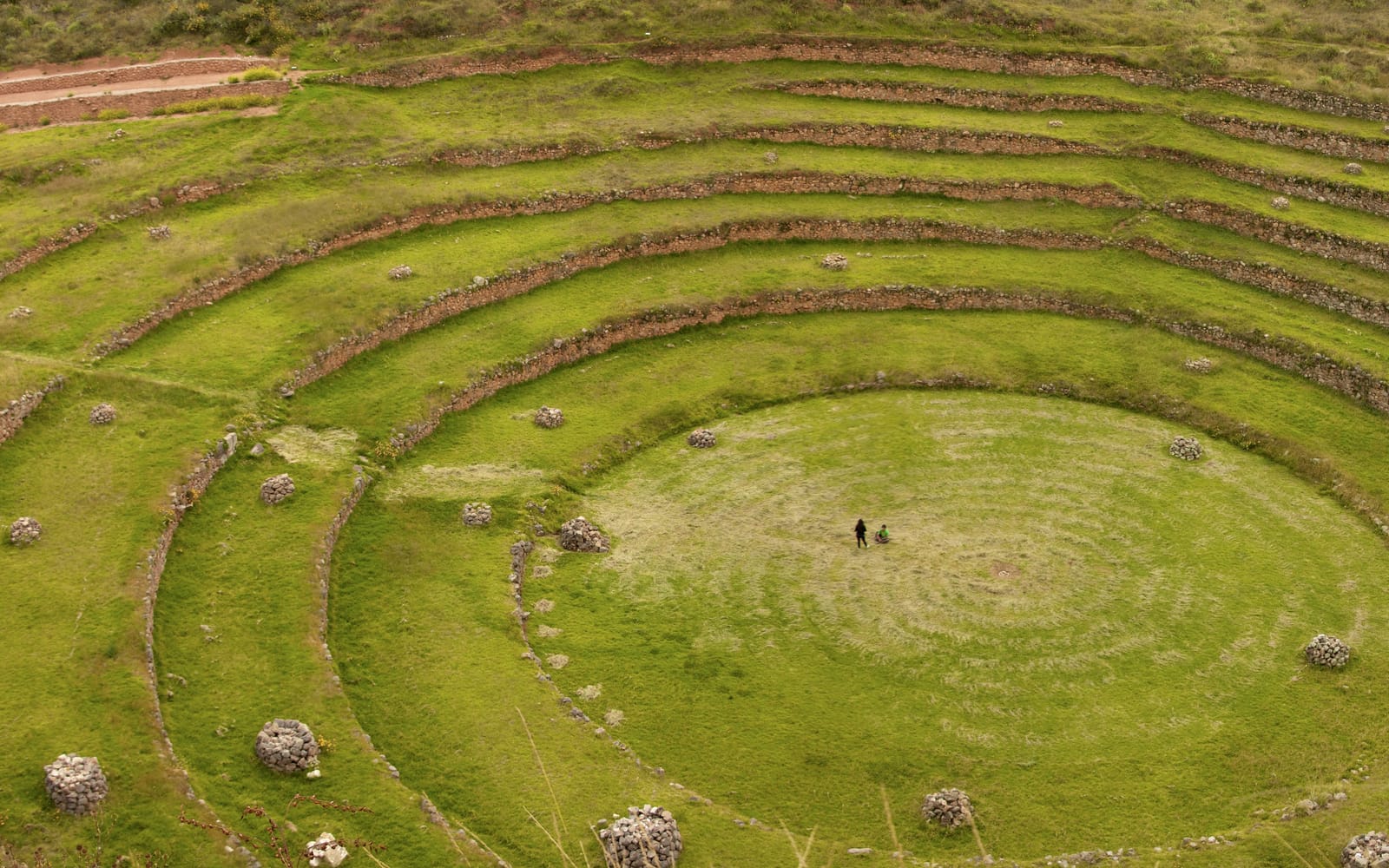
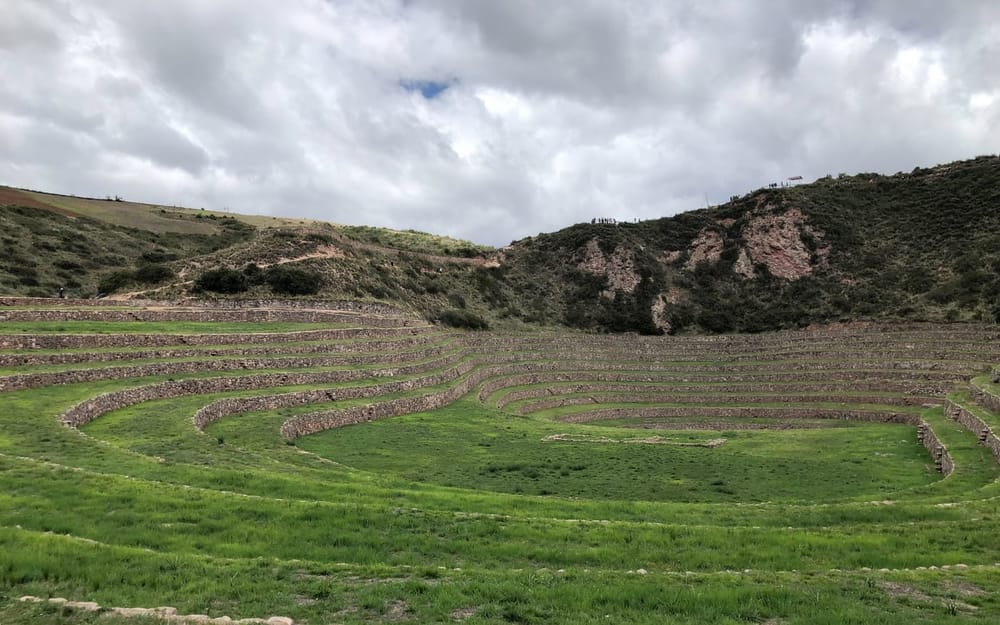
  • Moray’s concentric terraces and their 15 °C micro-climates
The concentric agricultural terraces of Moray in the Sacred Valley Private one-way tour from $119
🕒 Approx. 8 hours 📍 From Ollantaytambo (hotel pickup) ⭐ 5.0 (79)

From Ollantaytambo: Moray, Salt Mines & Chinchero, Ending in Cusco

Instead of paying for a transfer and a tour, do both at once. You leave Ollantaytambo after breakfast, work your way up onto the high plateau and roll into Cusco in the evening having seen three major sites.

  • A sightseeing day that doubles as your transfer back to Cusco
  • Moray, the Maras salt pans, lunch in Maras and Chinchero
  • Private vehicle and guide, drop-off at your Cusco hotel
Salt terraces and high plateau farmland above the Sacred Valley Adventure tour from $65
🕒 Approx. 5–6 hours 📍 From Urubamba (20 min from Ollantaytambo) ⭐ 4.7 (40)

Sacred Valley: ATV Adventure to Maras, Moray & the Salt Mines

The most fun way to cover the plateau. The dirt roads linking Moray to the salt pans were made for this, and you stop at both sites with a guide rather than just blasting past them.

  • Ride the high plateau tracks between Moray and Maras on a quad bike
  • Briefing and safety gear included, no licence required
  • Big-sky views over the Urubamba valley and the Chicón glacier

Maras Salt Mines FAQs

Frequently asked questions

Can you walk on the salt pans at Maras?

No. Walking among the pools was banned in 2019 to protect the salt and the workers. You see them from viewing platforms and the path around the rim, which is where the best photographs come from anyway.

Is Maras included in the Cusco Tourist Ticket?

No — Maras charges its own small entrance fee, paid in cash at the gate. Moray, twenty minutes away, is on the Boleto Turístico.

How far is Maras from Ollantaytambo?

About 45 minutes by road. Half-day private tours from Ollantaytambo cover both Maras and Moray and get you back before an afternoon train.

All places to see

The terraces of Ollantaytambo rising towards the Sun Temple Inca sites & ruins

Ollantaytambo Ruins

Pachacuti’s unfinished masterpiece

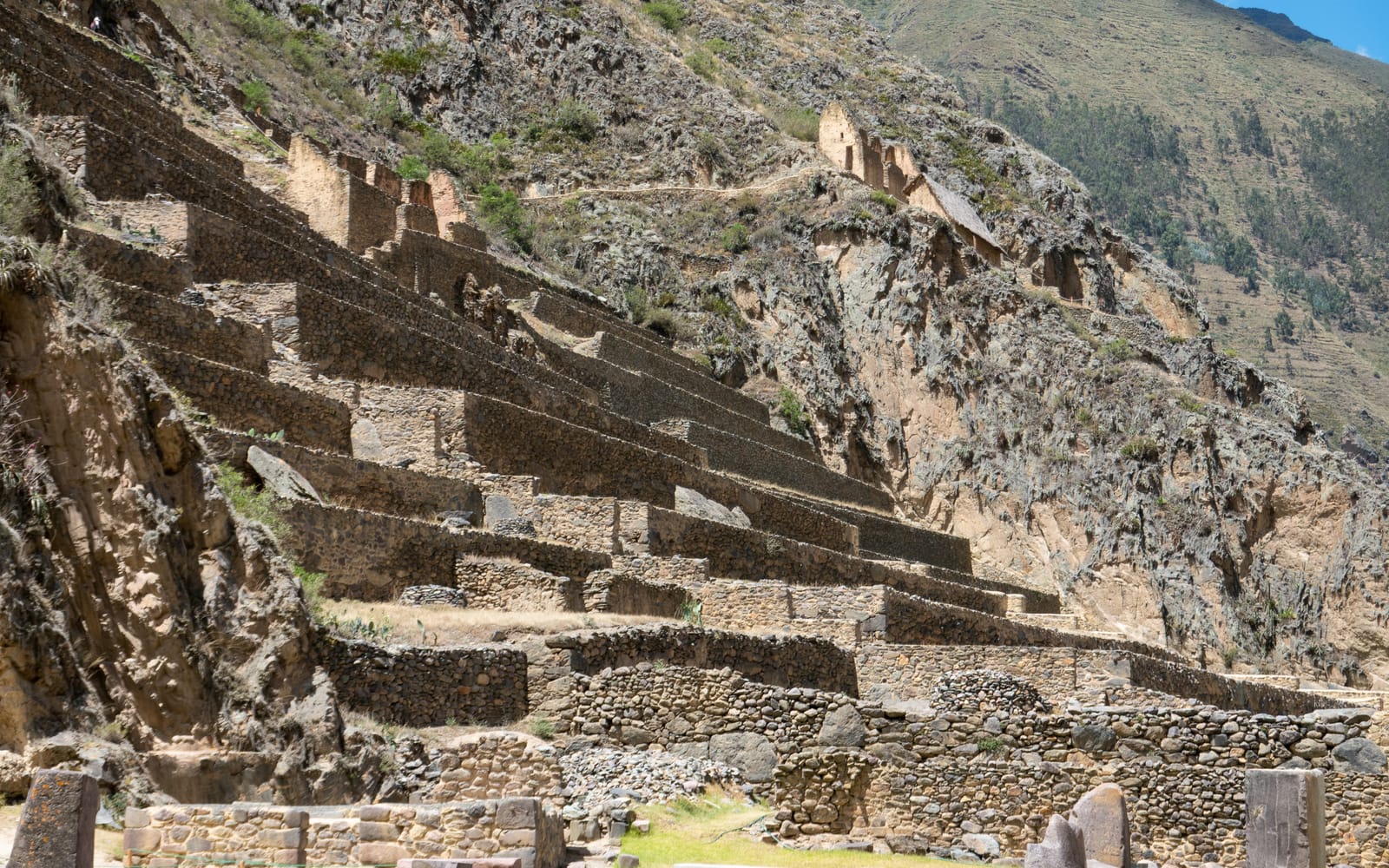
The great terraced temple hill above the town is one of the finest surviving Inca sites anywhere — seventeen tiers of stonework climbing to a Sun Temple whose fifty-tonne pink monoliths were dragged from a quarry across the valley and never quite set in place.

Inca storehouses clinging to the cliffs of Pinkuylluna above Ollantaytambo Inca sites & ruins

Pinkuylluna

Free views, Inca storehouses

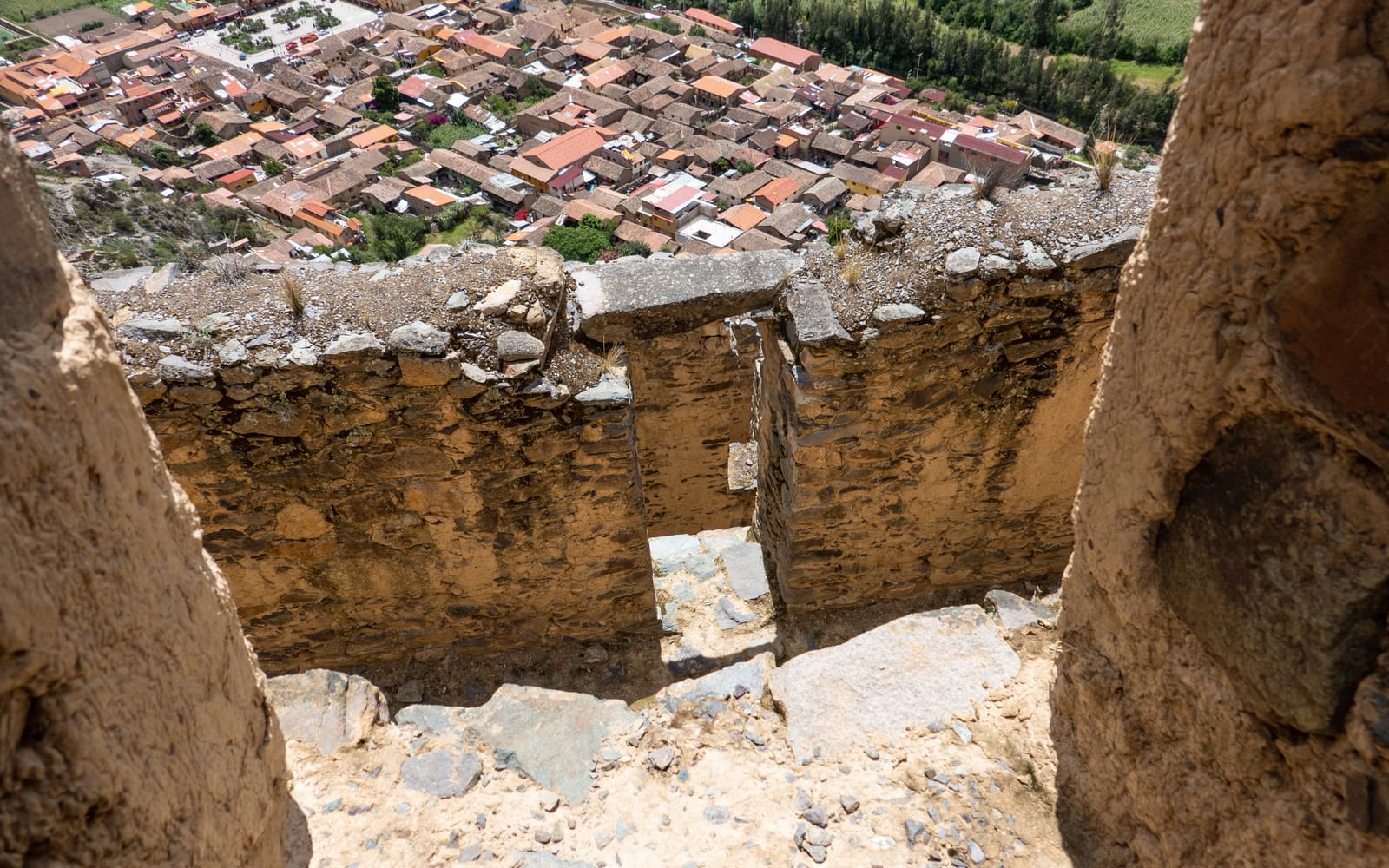
On the mountain facing the ruins, a steep footpath climbs past Inca granaries built high in the cold, dry air to preserve grain. It costs nothing, takes about an hour, and gives you the single best photograph of Ollantaytambo.

A narrow cobbled Inca street with original stone walls in Ollantaytambo Town & culture

The Inca Old Town

The last living Inca town

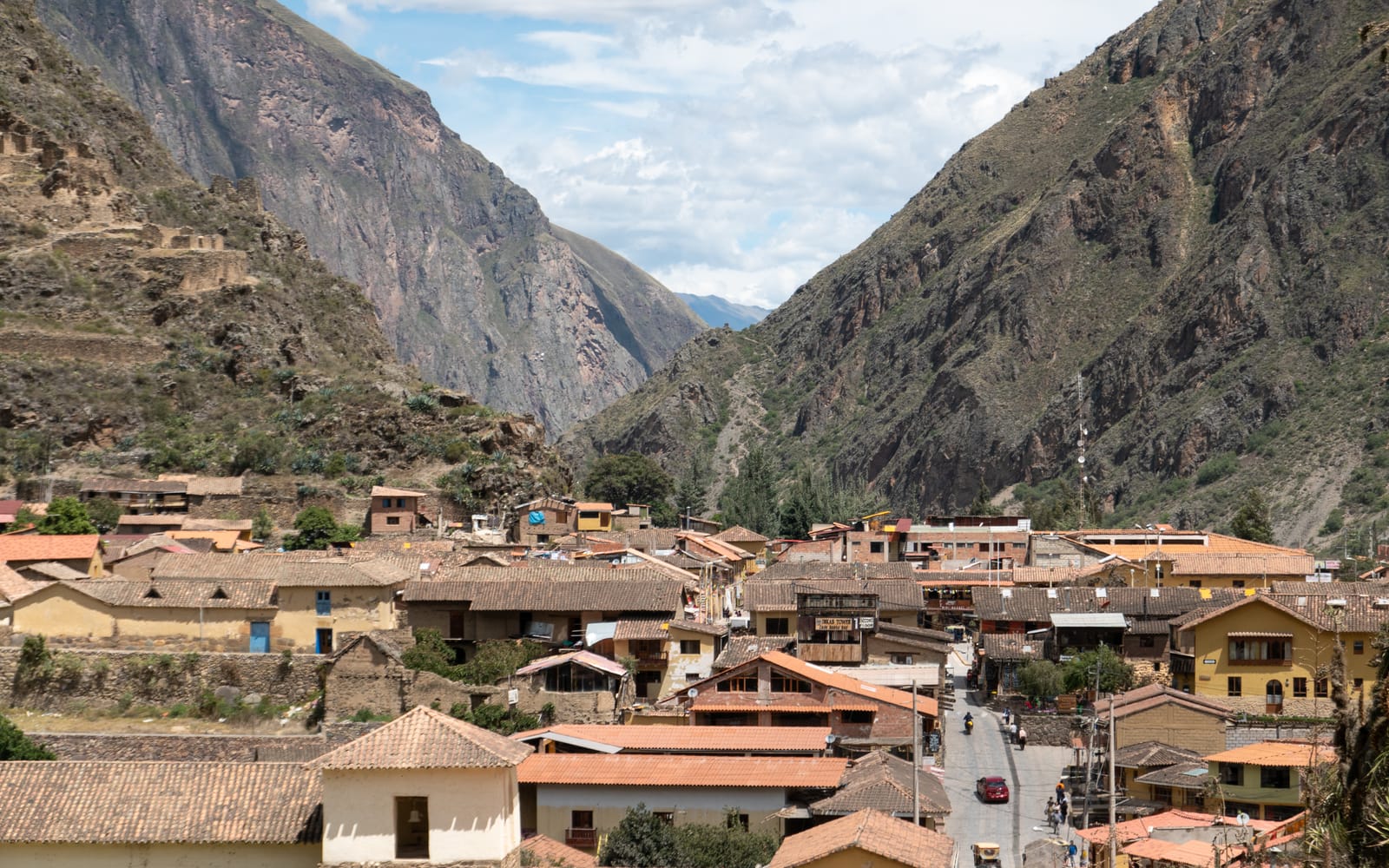
North of the plaza lies Qosqo Ayllu — a grid of walled Inca compounds, doorways and stone water channels laid out in the 15th century and lived in ever since. Nowhere else in Peru can you walk an Inca street that never stopped being a street.