Skip to content

Things to do in and around Ollantaytambo

Three major Inca sites are within a ten-minute walk of the plaza, and the rest of the Sacred Valley is within an hour’s drive. These are the places worth your time, with how to reach each one.

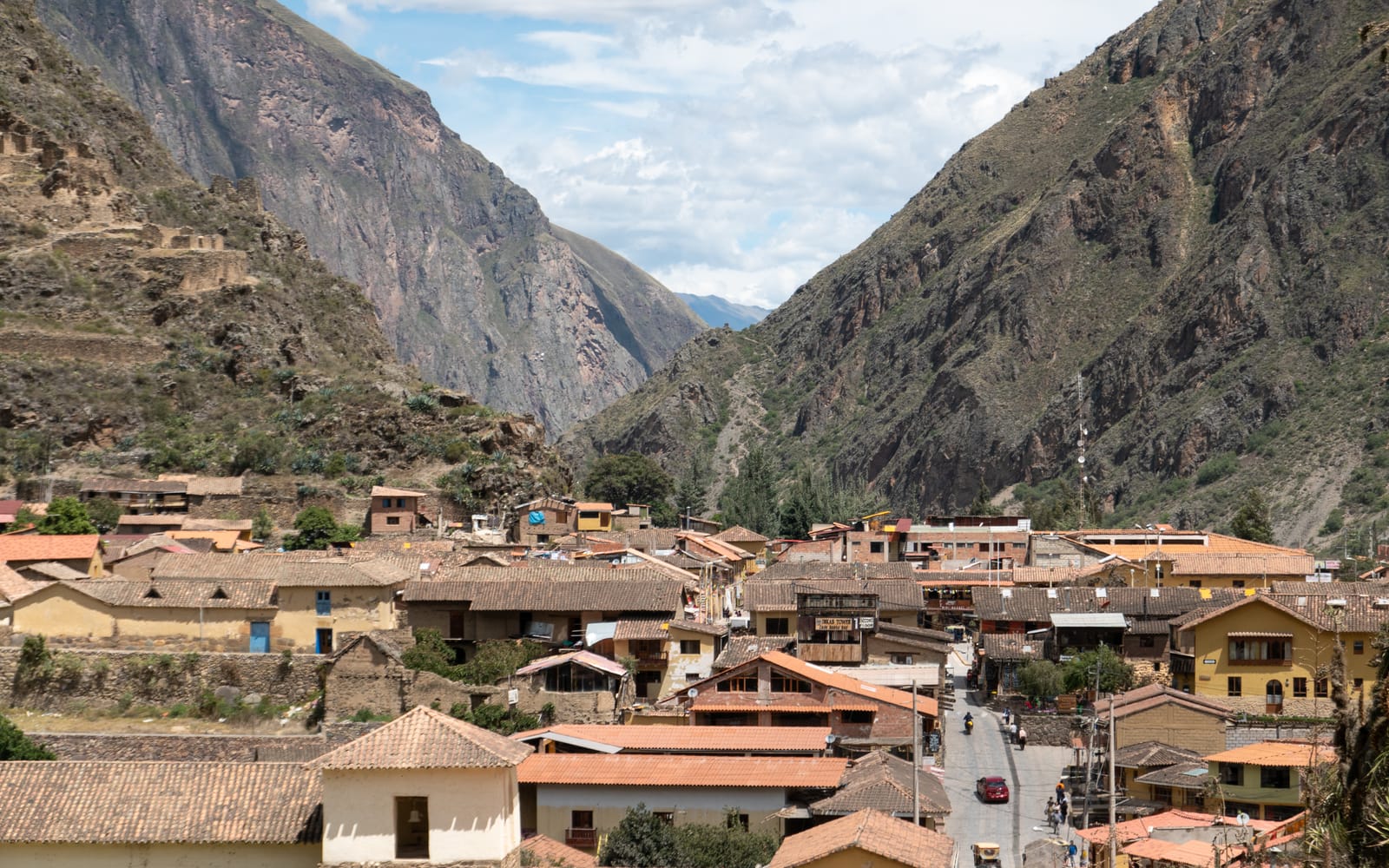
Ollantaytambo rewards a slower visit than most people give it. The great terraced site is the obvious draw, but the free climb up Pinkuylluna gives the better photograph, the Inca street grid below is unlike anywhere else in Peru, and the salt pans of Maras and the terraces of Moray are an easy half-day from town.

Inca sites & ruins

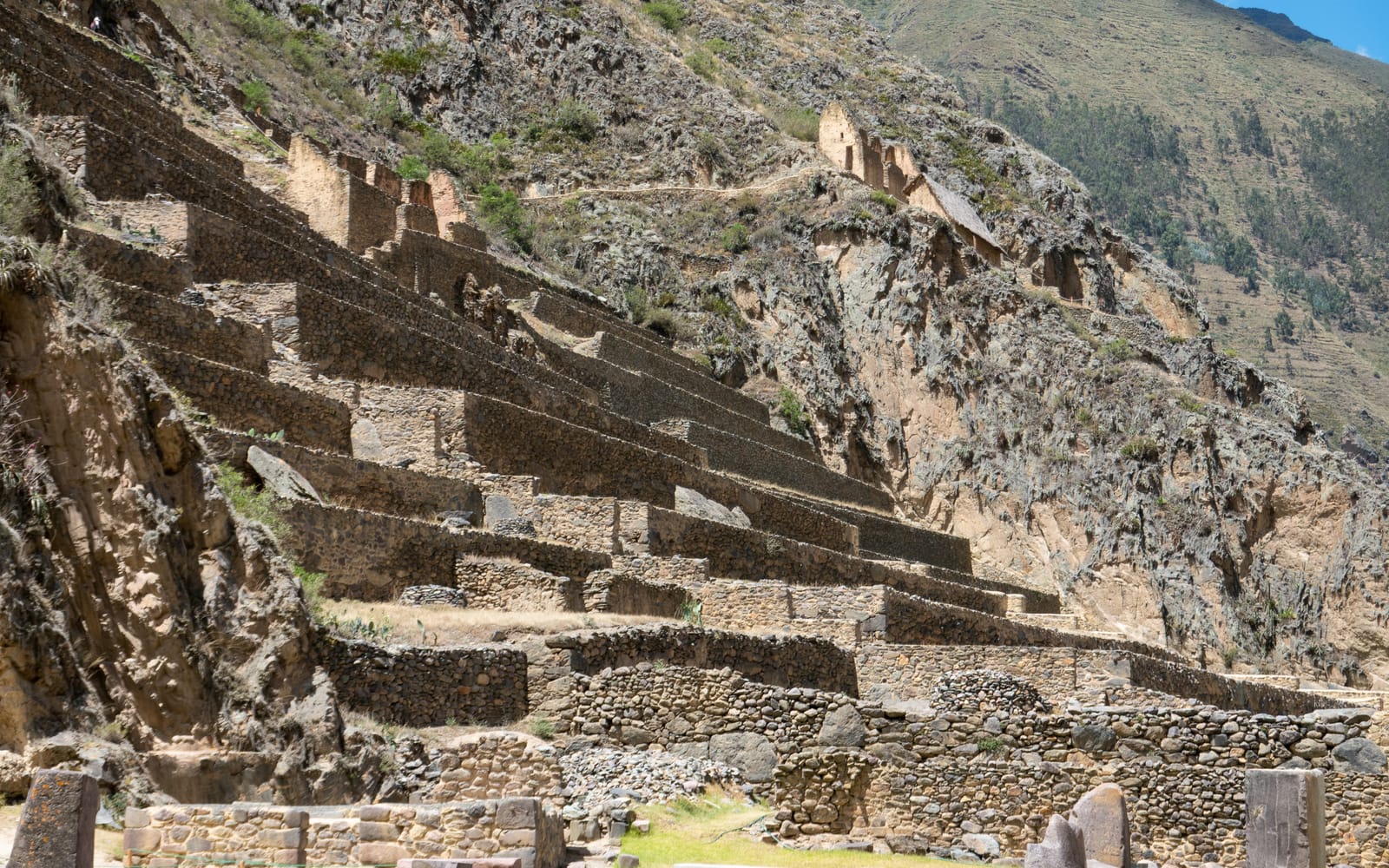
The terraces of Ollantaytambo rising towards the Sun Temple Inca sites & ruins

Ollantaytambo Ruins

Pachacuti’s unfinished masterpiece

The great terraced temple hill above the town is one of the finest surviving Inca sites anywhere — seventeen tiers of stonework climbing to a Sun Temple whose fifty-tonne pink monoliths were dragged from a quarry across the valley and never quite set in place.
Inca storehouses clinging to the cliffs of Pinkuylluna above Ollantaytambo Inca sites & ruins

Pinkuylluna

Free views, Inca storehouses

On the mountain facing the ruins, a steep footpath climbs past Inca granaries built high in the cold, dry air to preserve grain. It costs nothing, takes about an hour, and gives you the single best photograph of Ollantaytambo.

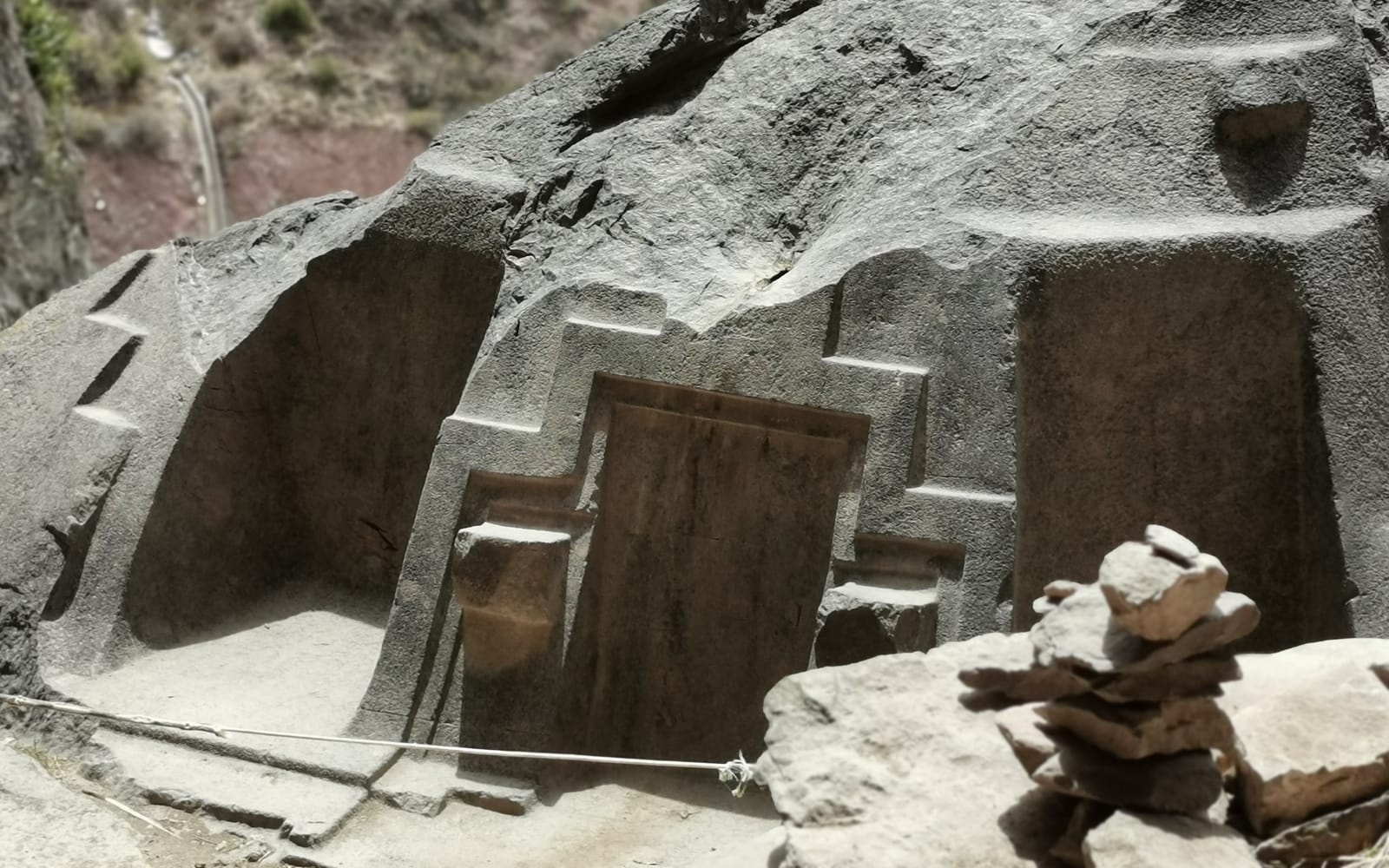
The rock-cut altar and false doorway inside the Ñaupa Iglesia cave shrine Inca sites & ruins

Ñaupa Iglesia

A carved cave shrine few visitors find

Hidden in a cliff above the Pachar bridge, this small huaca holds an altar cut from the living rock and a false doorway of extraordinary precision. It has no ticket office, no crowd and no signage — just a steep path and one of the strangest pieces of Inca stonework in the valley.

Town & culture

A narrow cobbled Inca street with original stone walls in Ollantaytambo Town & culture

The Inca Old Town

The last living Inca town

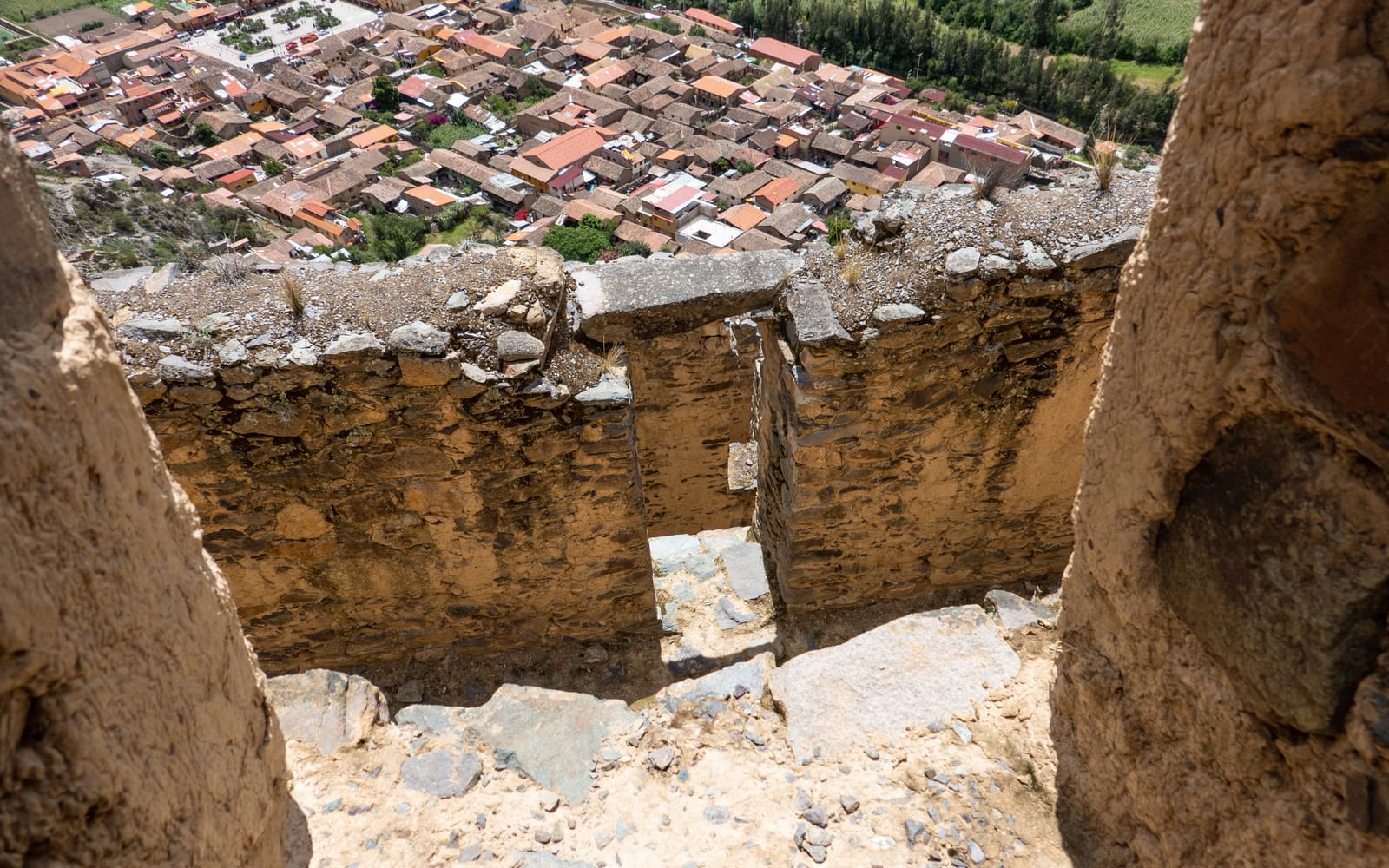
North of the plaza lies Qosqo Ayllu — a grid of walled Inca compounds, doorways and stone water channels laid out in the 15th century and lived in ever since. Nowhere else in Peru can you walk an Inca street that never stopped being a street.

Sacred Valley day trips

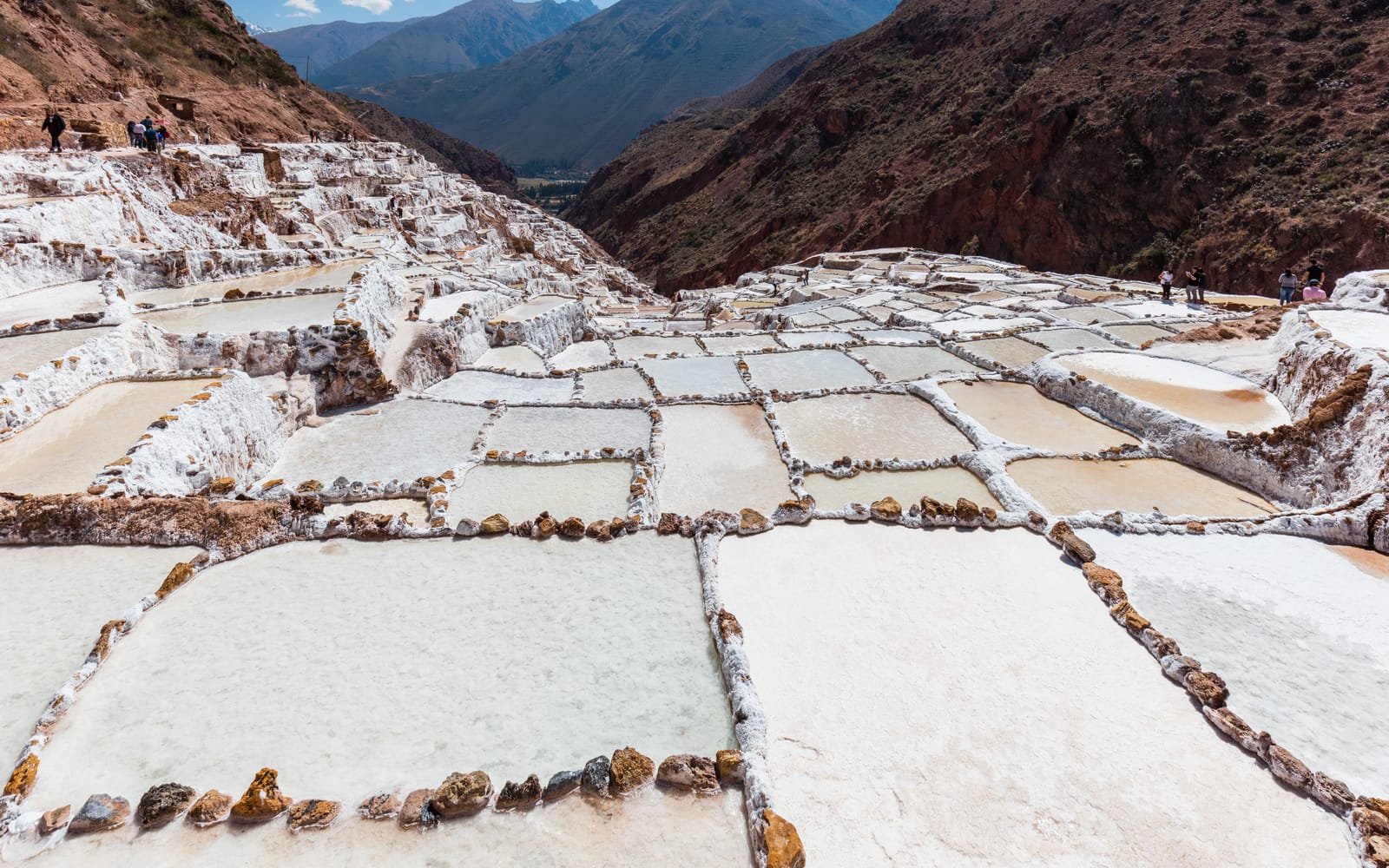
The white salt terraces of Salineras de Maras stepping down a red valley Sacred Valley day trips

Maras Salt Mines

Three thousand salt pans on a cliff

A warm, hyper-saline spring has poured out of this mountainside since long before the Inca. Local families still channel it into a honeycomb of shallow terraces and harvest the crystals by hand, exactly as their great-grandparents did.

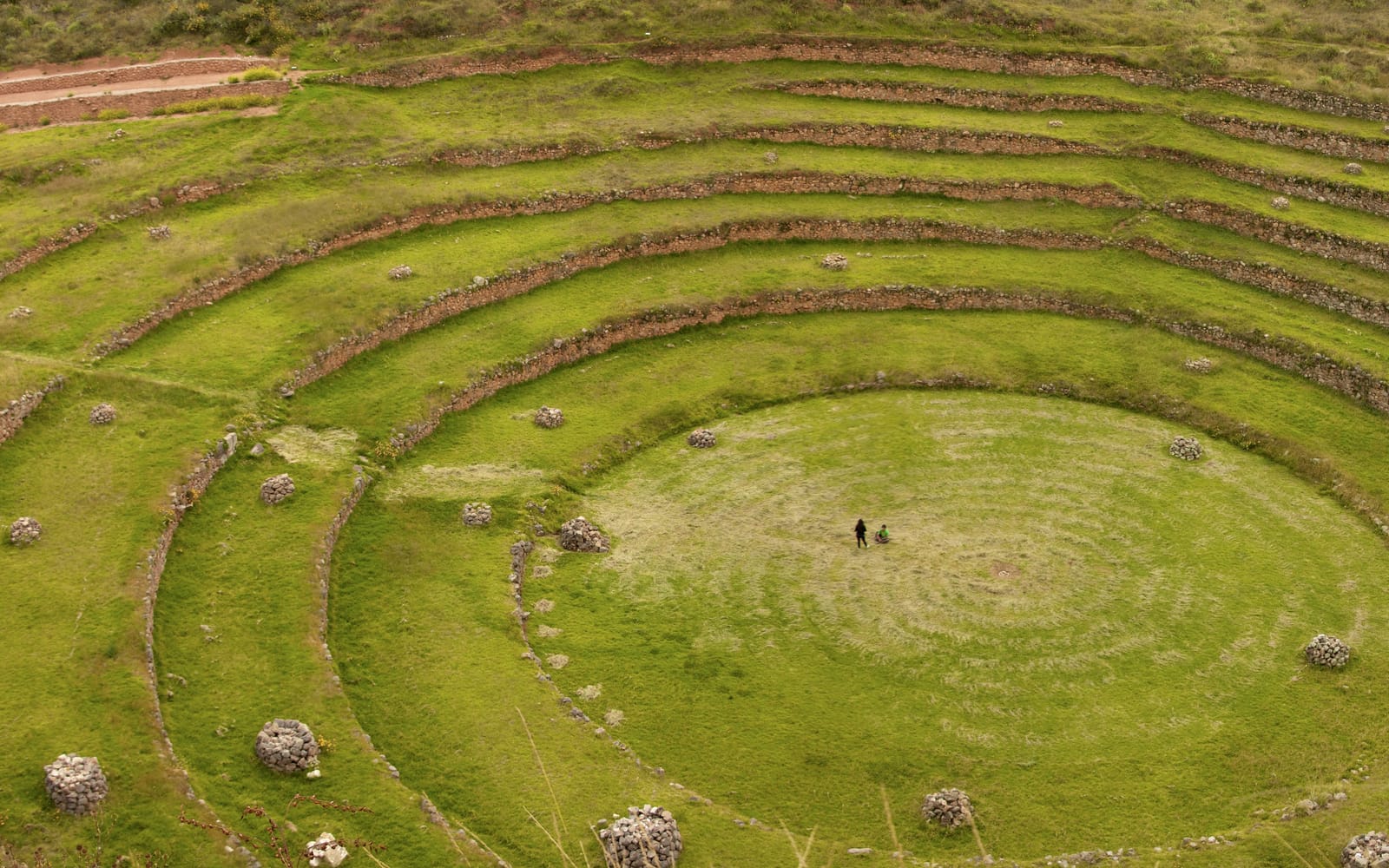
The concentric circular terraces of Moray sunk into the Andean plateau Sacred Valley day trips

Moray

The Inca agricultural laboratory

Three enormous concentric bowls sunk into the high plateau, each ring a few degrees warmer than the one above it. The temperature spread across the largest bowl reaches 15 °C, and the best explanation is that the Inca used it to trial crops at different altitudes.

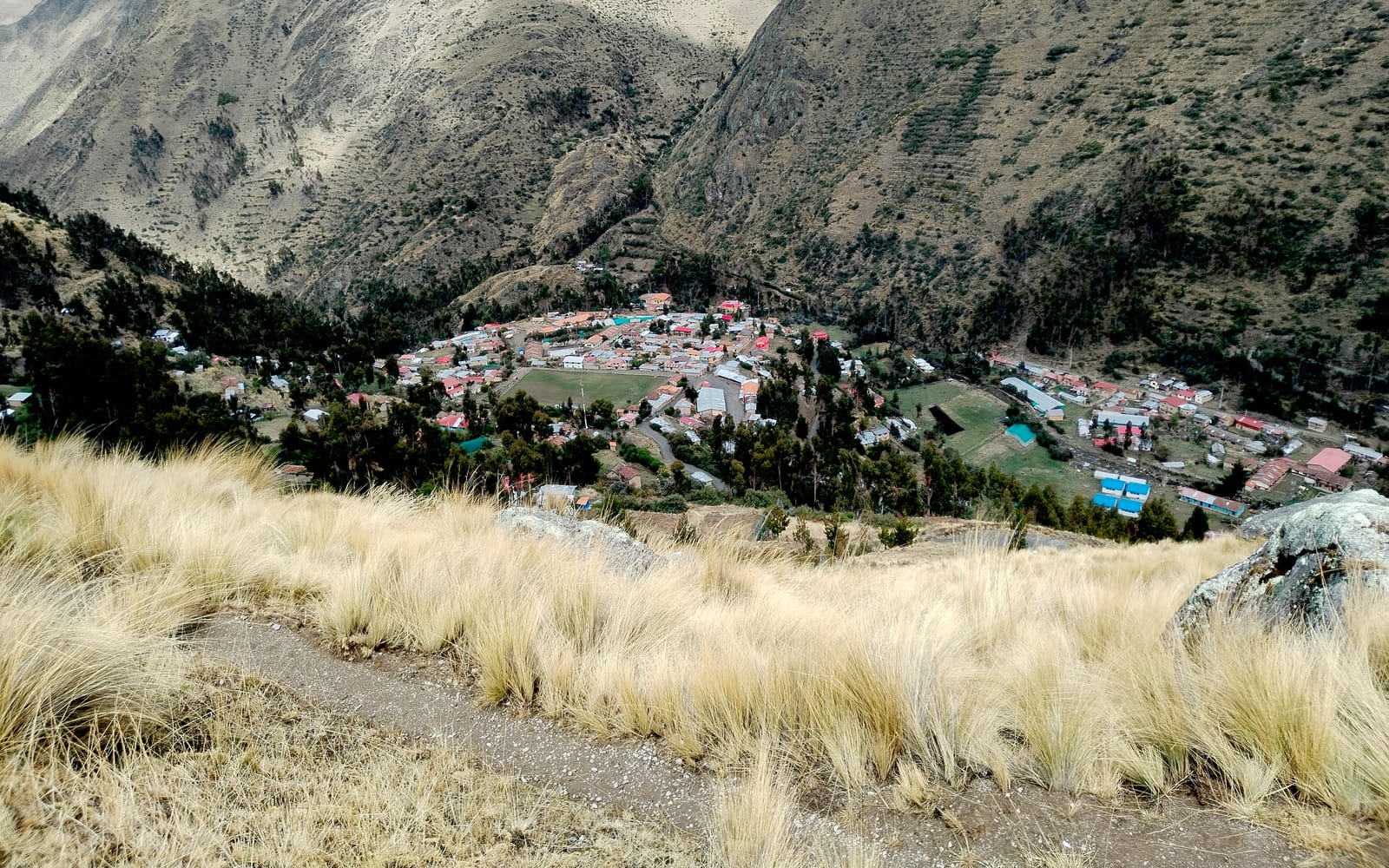
The high Patacancha valley with terraced fields above Ollantaytambo Sacred Valley day trips

Patacancha Valley

Weaving villages above the treeline

The road behind Ollantaytambo climbs into a side valley of high pasture, alpaca herds and Quechua villages where women still weave on backstrap looms with plant-dyed wool. Pumamarca’s hillside ruins sit halfway up.

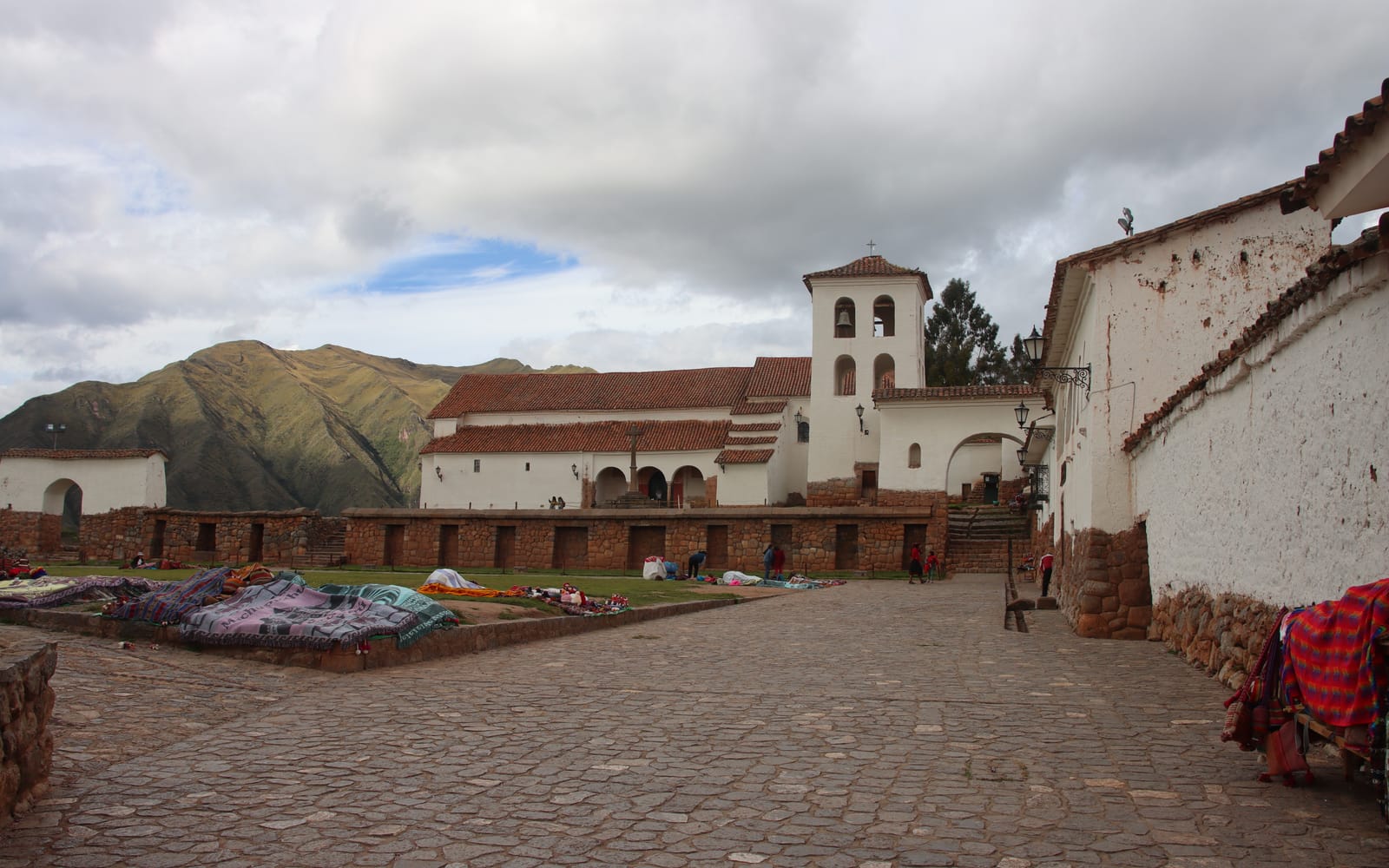
The colonial church and Inca terraces of Chinchero on the Andean plateau Sacred Valley day trips

Chinchero

Inca walls, adobe church, textile town

A windswept village on the plateau between Cusco and the valley, where a whitewashed colonial church sits on Inca foundations, Sunday markets fill the square and weaving cooperatives demonstrate the dyes that made Andean textiles famous.

Plan your Sacred Valley days

See it all with a guide

Half-day and full-day tours from Ollantaytambo and Cusco cover these sites with transport, tickets and a guide included.