Skip to content
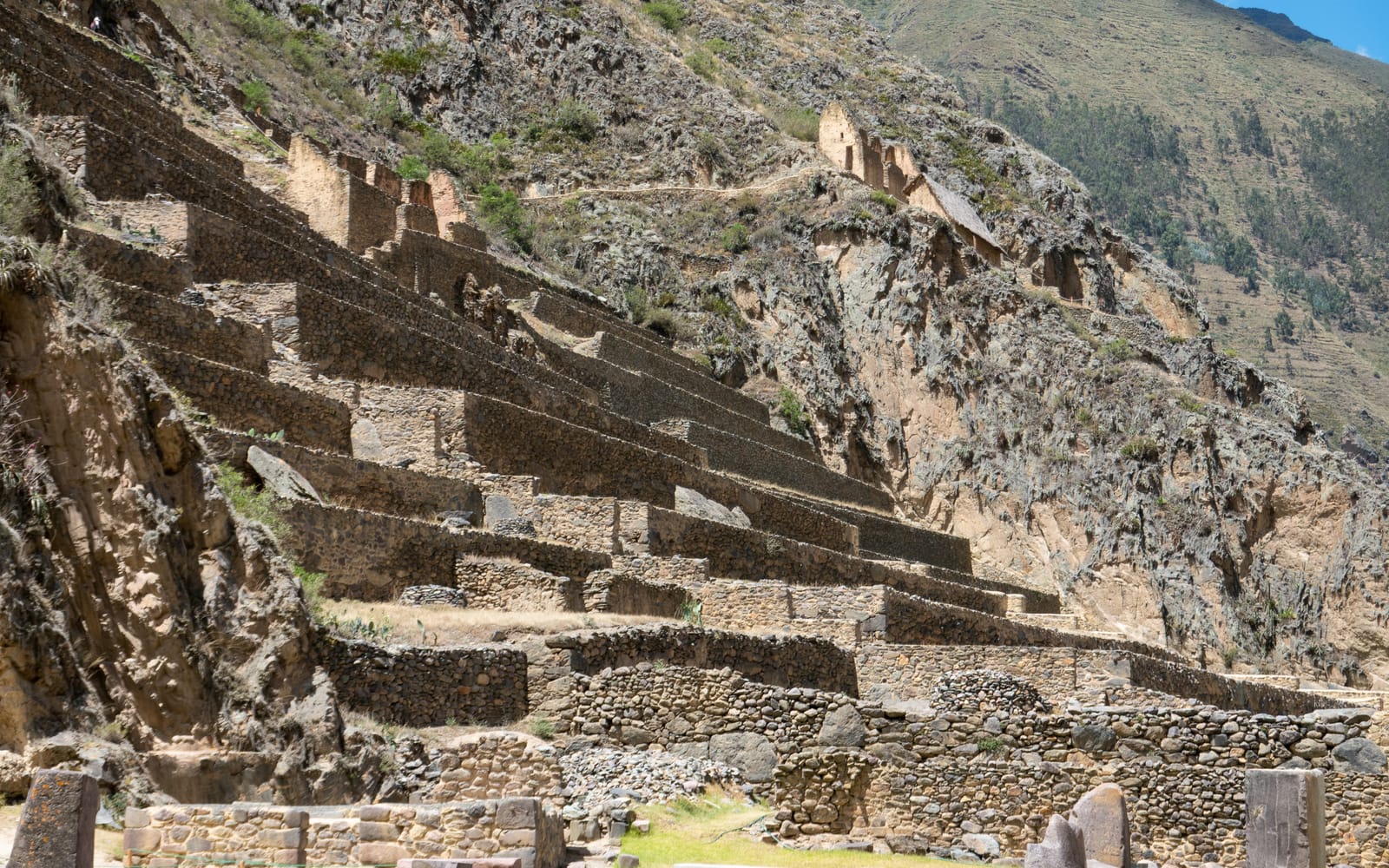
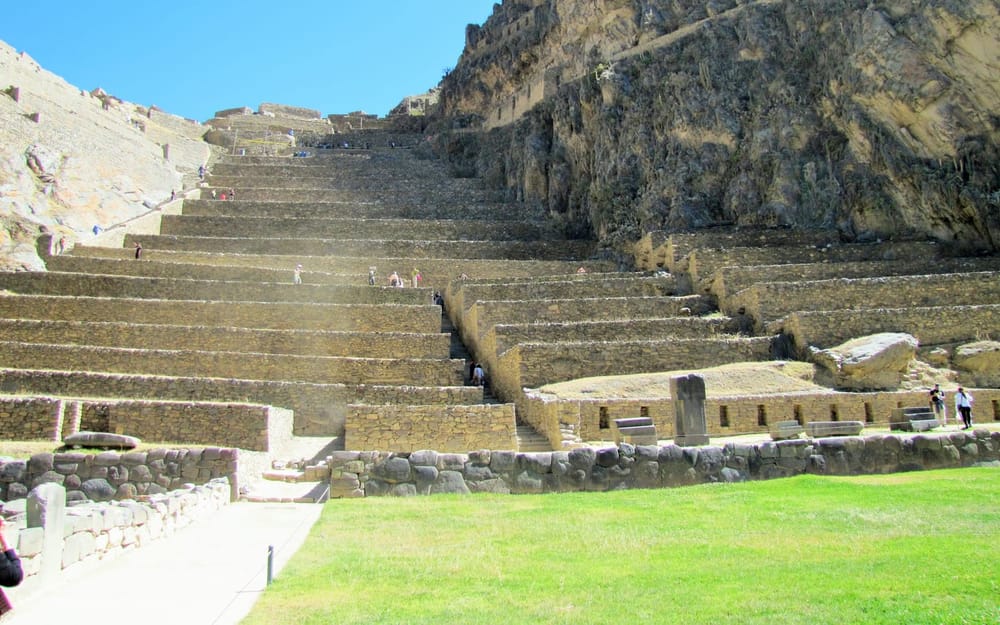
The terraces of Ollantaytambo rising towards the Sun Temple

Ollantaytambo Ruins

Pachacuti’s unfinished masterpiece

Everyone calls it the fortress, and in 1537 it certainly worked like one — Manco Inca routed Hernando Pizarro’s cavalry here by flooding the plain through the Inca canals, one of the very few open-field defeats the Spanish suffered in Peru. But Ollantaytambo was built as something else entirely: a royal estate and ceremonial centre begun by the emperor Pachacuti in the mid-15th century, at the moment the Inca state was at its most confident.

What survives is astonishing. Seventeen agricultural terraces climb the hillside in a staircase you can see from anywhere in town. Above them stands the unfinished Temple of the Sun, six colossal blocks of rose-coloured rhyolite fitted edge to edge with thin spacer stones — quarried at Cachiccata, six kilometres away and on the far side of the Urubamba river, then hauled up here on ramps that are still visible in the scree. The Spanish conquest interrupted the work, and the ramps are still littered with "tired stones" that never arrived.

Top things to do at Ollantaytambo Ruins

Climb the terraces of Pumatallis

Start left and zigzag up. The steps are steep and you are at 2,800 m, so take it slowly — most people need fifteen or twenty minutes to reach the temple platform.

Stand at the Wall of Six Monoliths

The unfinished Sun Temple is the reason to come. Look at how the blocks are separated by narrow vertical spacers, and at the faint stepped-diamond relief on the third stone.

Find the Baño de la Ñusta

The Princess Bath, below the terraces, is a ceremonial fountain that has run continuously for five centuries. The triple-stepped carving on its face is a classic Inca water motif.

Look across at the storehouses

From the temple platform, turn around. The buildings on the cliff opposite are Pinkuylluna’s granaries, and beside them the rock profile locals call the face of Tunupa.

Walk the quarry ramp

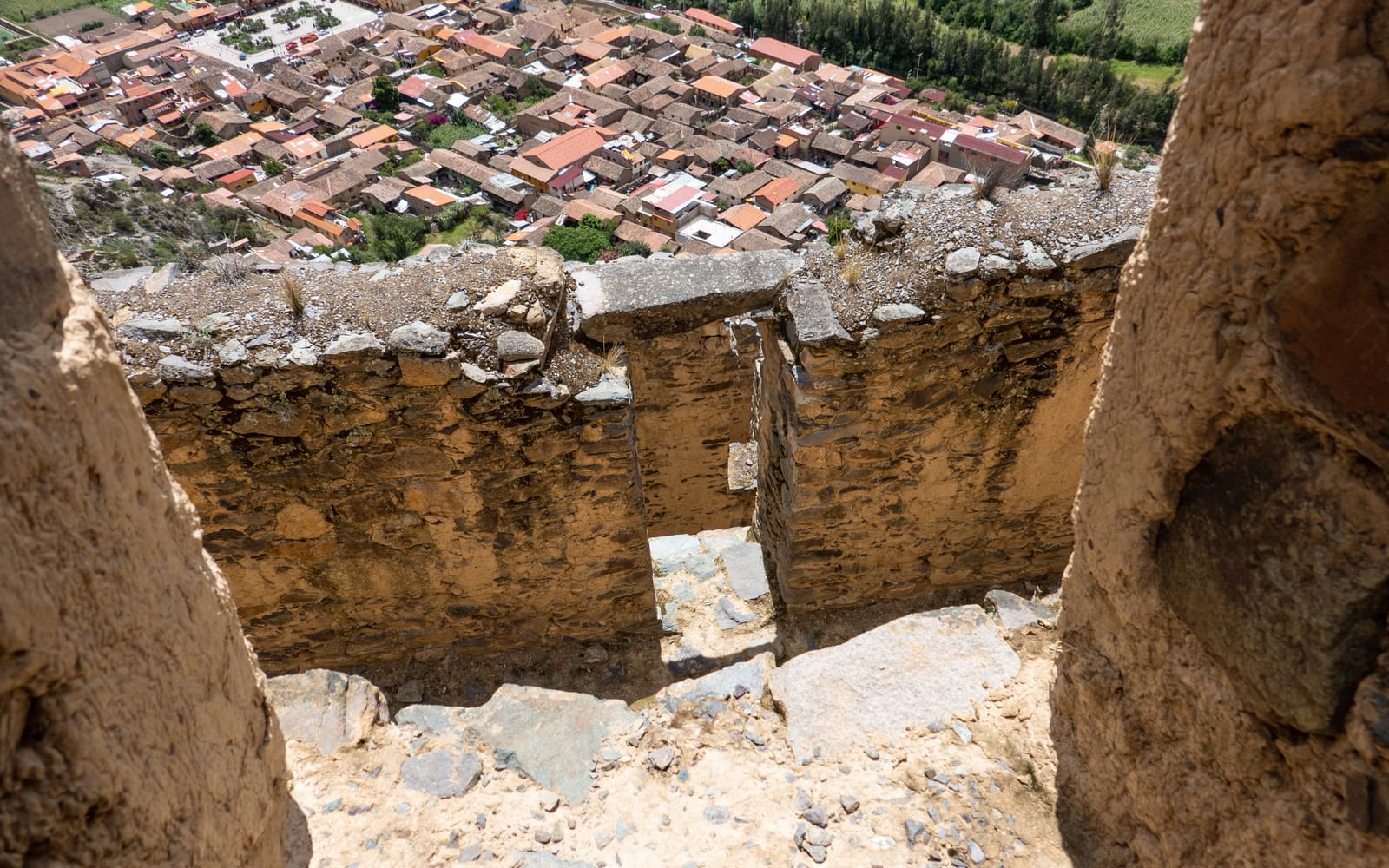
A quieter path leads right from the entrance along the old haulage route, past abandoned blocks, with views down onto the Inca town grid and far fewer people.
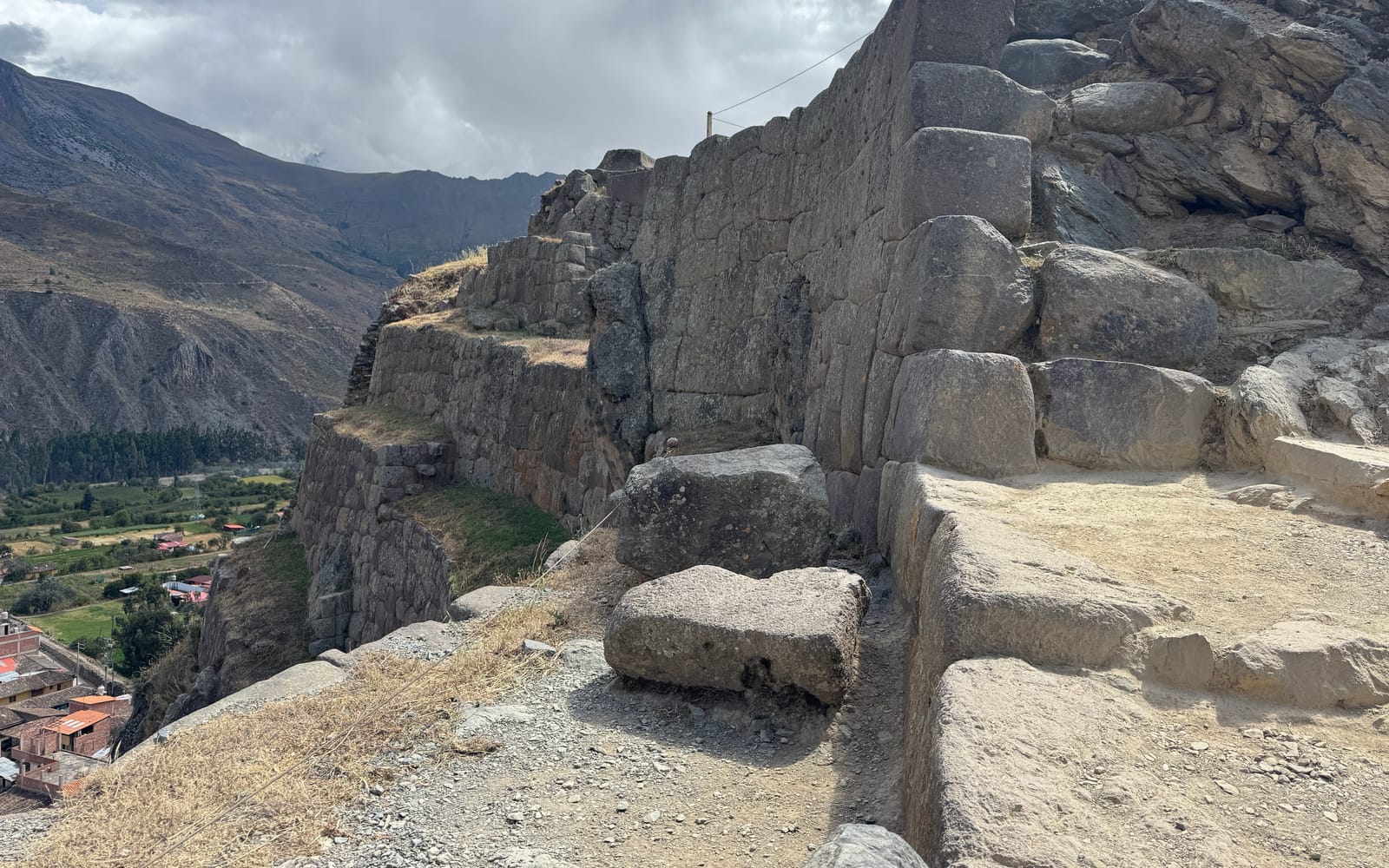
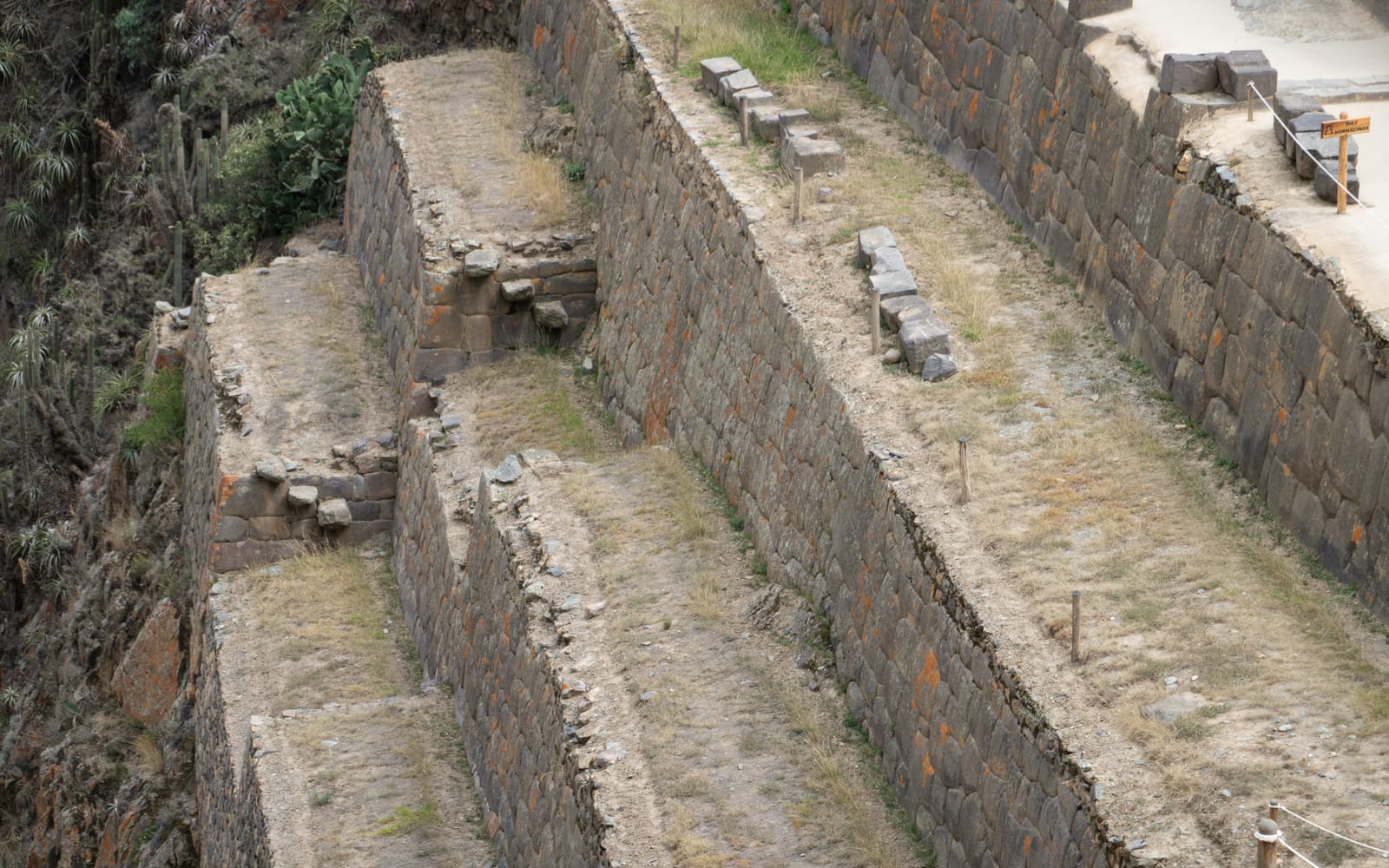
The terraces of Ollantaytambo rising towards the Sun TempleThe terraces of Ollantaytambo rising towards the Sun Temple

How to get to Ollantaytambo Ruins

  • On foot: the entrance is at the top end of Plaza de Armas, three minutes’ walk from anywhere in the old town.
  • From Cusco: 60 km and about 1 hour 45 minutes by road. Collectivos leave Pavitos street when full; a private transfer costs little more and leaves when you do.
  • By tour: nearly every Sacred Valley day trip from Cusco includes a guided visit, with entry covered by the Cusco Tourist Ticket.

Insider tips

  • You cannot buy a ticket just for Ollantaytambo. Entry is only on the Boleto Turístico del Cusco — either the 10-day full ticket or the cheaper 2-day Sacred Valley circuit.
  • Arrive before 08:00 or after 15:30. Between 10:00 and 14:00 the site fills with coaches from Cusco.
  • There is no shade on the terraces and the UV at this altitude is fierce. Hat, sunscreen and water are not optional.
  • Hiring a guide at the gate costs a fraction of a tour and transforms the site — ask at the ticket booth.

Best tours & tickets for Ollantaytambo Ruins

These top-rated experiences are the easiest way to see Ollantaytambo Ruins without organising a thing:
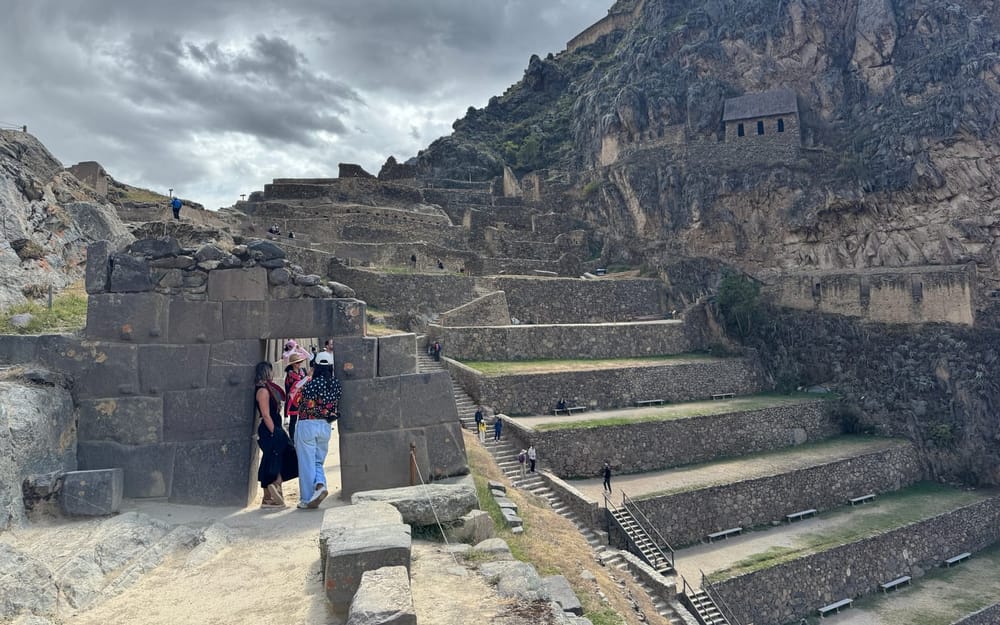
The great stone blocks of the unfinished Sun Temple at Ollantaytambo Private guided tour from $126
🕒 Approx. 5 hours 📍 From Cusco (hotel pickup) ⭐ 5.0 (3)

From Cusco: Ollantaytambo Fortress Half-Day Private Tour

Ollantaytambo on its own terms, without the four-site rush. A private guide unpacks how Pachacuti’s masons moved fifty-tonne blocks from a quarry across the valley — and why the temple was never finished.

  • Private guide for your group only — go at your own pace
  • The terraces of Pumatallis, the Sun Temple and the Wall of Six Monoliths
  • Time in the Inca street grid below, still lived in after 550 years
Visitors climbing the terraces of the Ollantaytambo archaeological site Day tour with drop-off from $30
🕒 Approx. 8 hours 📍 From Cusco (hotel pickup) ⭐ 4.7 (67)

From Cusco: Pisaq & Ollantaytambo Tour with Lunch, Ending in Ollantaytambo

The smartest way to combine sightseeing with getting where you need to be. You see the Sacred Valley in a full day, then step off in Ollantaytambo with your luggage rather than backtracking 90 minutes to Cusco.

  • Ends in Ollantaytambo instead of returning to Cusco
  • Perfect if you sleep in town before an early Machu Picchu train
  • Buffet lunch in Urubamba included
Green Inca terraces climbing the hillside at Ollantaytambo Full-day tour from $26
🕒 Approx. 9–12 hours 📍 From Cusco (hotel pickup) ⭐ 4.7 (2,125)

Cusco: Sacred Valley, Pisac, Ollantaytambo, Maras Salt Mines & Moray

The classic Sacred Valley circuit and by far the most-booked way to see Ollantaytambo. A guide walks you through the terraces and the Sun Temple, then links them to Pisac’s hilltop ruins, Moray’s concentric bowls and the Maras salt pans.

  • Four headline sites in one day: Pisac, Moray, Maras and Ollantaytambo
  • Hotel pickup in central Cusco and an English- or Spanish-speaking guide
  • Over 2,000 reviews and one of the best-value day trips in the region

Ollantaytambo Ruins FAQs

Frequently asked questions

How long do you need at the Ollantaytambo ruins?

Ninety minutes covers the terraces, the Sun Temple and the fountains at a comfortable pace. Add another half hour if you walk the quarry ramp, and allow more if the altitude is new to you.

How much does it cost to enter Ollantaytambo?

There is no single-site ticket. You need the Cusco Tourist Ticket (Boleto Turístico): the full 10-day version costs around S/130 and the 2-day Sacred Valley circuit around S/70, which also covers Pisac, Chinchero and Moray.

Is Ollantaytambo harder than Machu Picchu?

The terrace climb is short but steep, and at 2,792 m Ollantaytambo is actually 400 m lower than Cusco — most people find it easier than they expect. There are handrails on the main staircase and plenty of places to stop.

What time does the site open?

Roughly 07:00 to 18:00 daily, including weekends and most holidays. The last entry is normally an hour before closing, and the golden light on the terraces is best in the final hour.

All places to see

Inca storehouses clinging to the cliffs of Pinkuylluna above Ollantaytambo Inca sites & ruins

Pinkuylluna

Free views, Inca storehouses

On the mountain facing the ruins, a steep footpath climbs past Inca granaries built high in the cold, dry air to preserve grain. It costs nothing, takes about an hour, and gives you the single best photograph of Ollantaytambo.

A narrow cobbled Inca street with original stone walls in Ollantaytambo Town & culture

The Inca Old Town

The last living Inca town

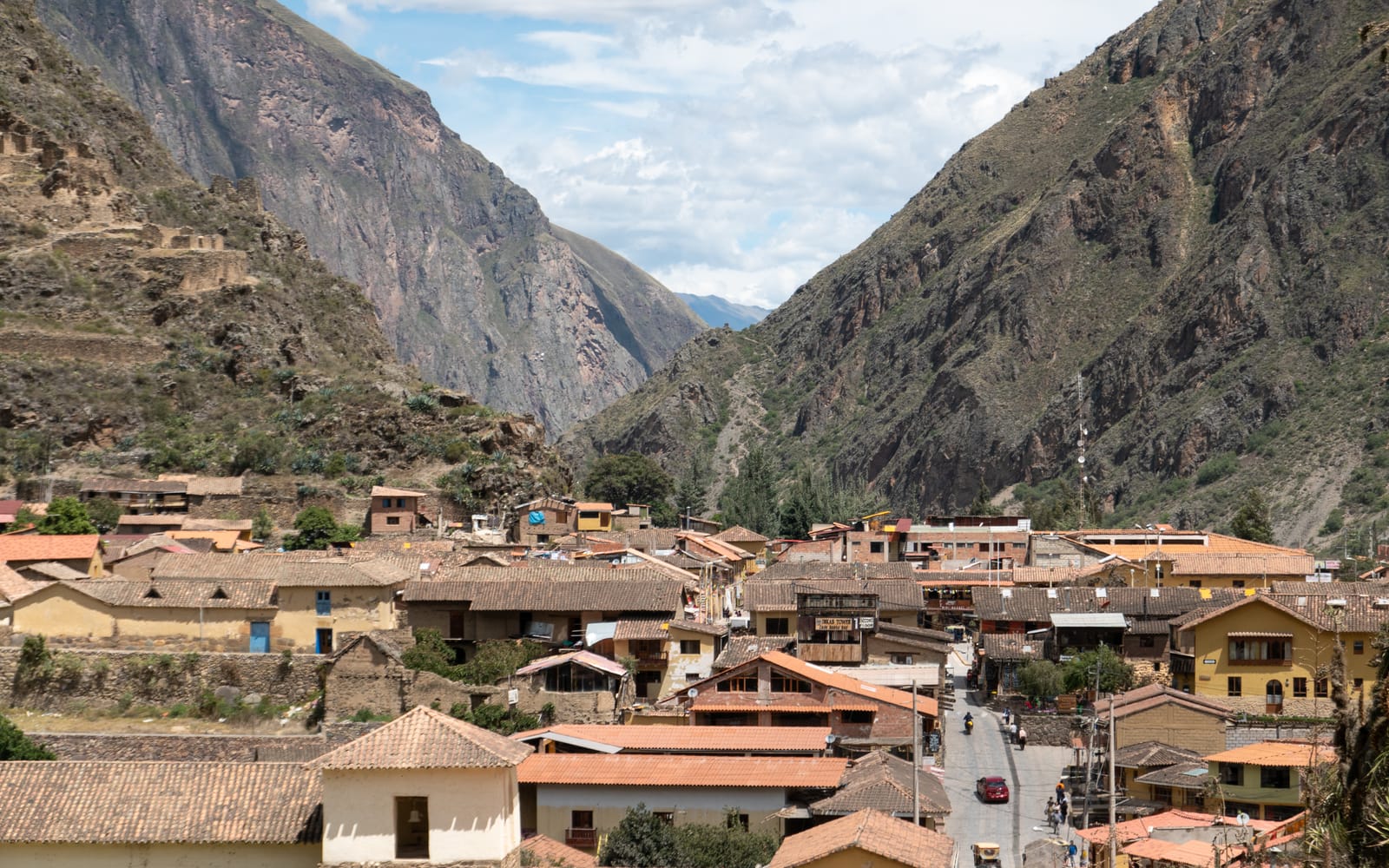
North of the plaza lies Qosqo Ayllu — a grid of walled Inca compounds, doorways and stone water channels laid out in the 15th century and lived in ever since. Nowhere else in Peru can you walk an Inca street that never stopped being a street.

The white salt terraces of Salineras de Maras stepping down a red valley Sacred Valley day trips

Maras Salt Mines

Three thousand salt pans on a cliff

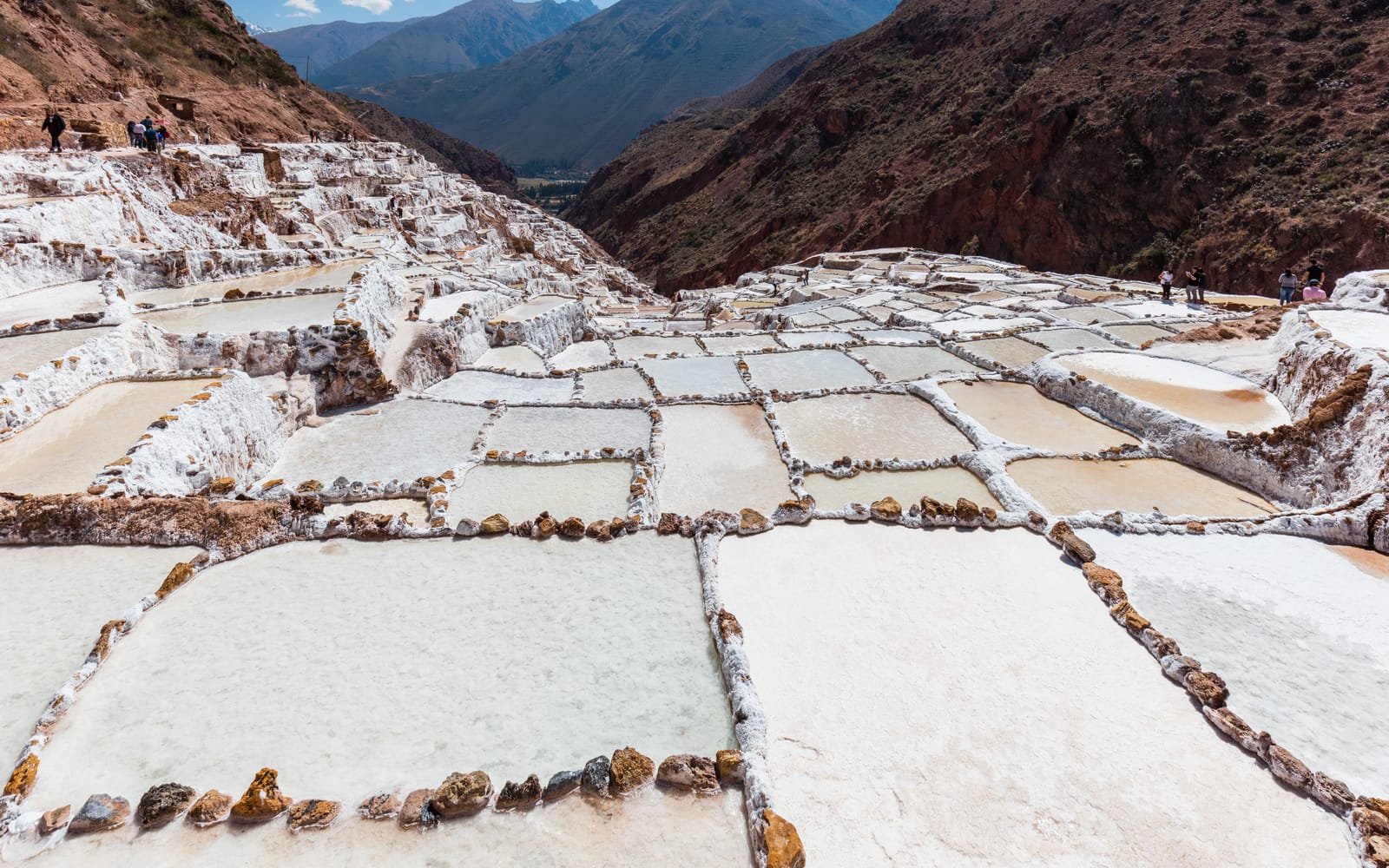
A warm, hyper-saline spring has poured out of this mountainside since long before the Inca. Local families still channel it into a honeycomb of shallow terraces and harvest the crystals by hand, exactly as their great-grandparents did.