Skip to content
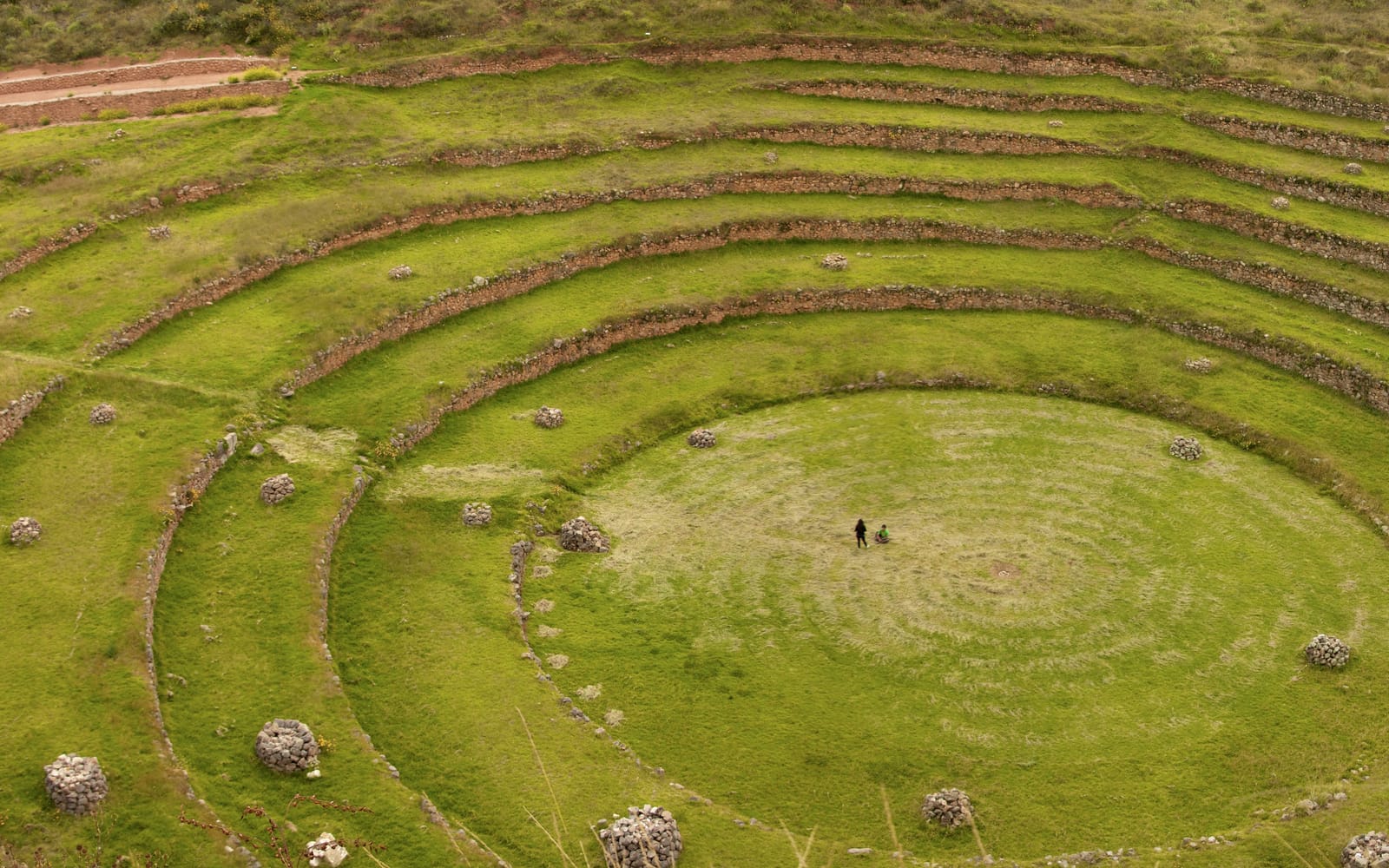
The concentric circular terraces of Moray sunk into the Andean plateau

Moray

The Inca agricultural laboratory

From the road there is nothing to see — just high, flat farmland at 3,500 m. Then the ground opens and three vast circular depressions drop away in perfect concentric rings, the largest of them thirty metres deep, each terrace faced in stone and reached by flying steps set into the retaining walls.

Measurements taken across the main bowl record a temperature difference of up to 15 °C between the top ring and the floor — roughly the climatic range between the high Andes and the edge of the Amazon. The widely accepted reading is that Moray was an agricultural research station, where Inca agronomists adapted maize, potatoes and quinoa to altitudes they were not native to. Given that the Inca cultivated thousands of potato varieties across wildly different climates, it is a persuasive theory.

Top things to do at Moray

Walk down into the main bowl

A path descends to the floor of the largest depression. You can feel the temperature change as you go — the still air at the bottom is noticeably warmer.

Find the flying steps

Projecting stones set into the terrace walls form staircases that appear to float. They are all over Inca agricultural architecture and Moray has the best examples.

Visit the smaller bowls

Most visitors photograph the main circle and leave. Two further depressions lie a short walk away, and you will usually have them to yourself.

Look towards the Chicón glacier

On a clear morning the snow line of the Urubamba range fills the horizon behind the terraces.
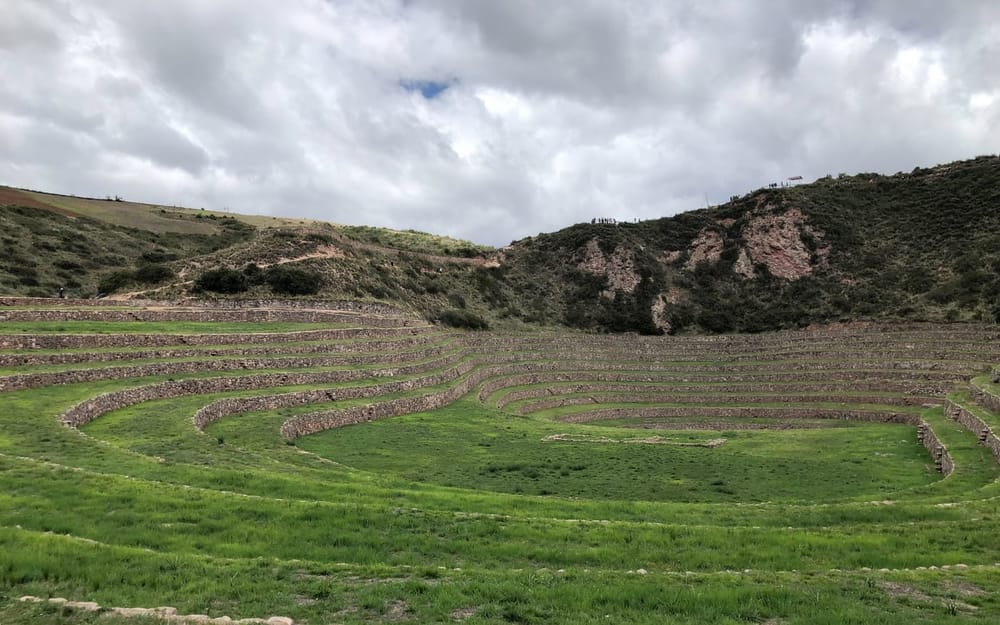
The concentric circular terraces of Moray sunk into the Andean plateau

How to get to Moray

  • From Ollantaytambo: about 55 minutes by car, usually combined with Maras.
  • From Cusco: around 1 hour 40 minutes; included in most full-day Sacred Valley tours.
  • By ATV or bike: the dirt roads between Moray and Maras are a popular half-day ride from Urubamba.

Insider tips

  • Moray is covered by the Cusco Tourist Ticket, so bring it — there is no single-site option.
  • Mornings are clearest. Cloud builds over the plateau most afternoons, and in the wet season it can close in fast.
  • It is 700 m higher than Ollantaytambo and the wind is constant. Bring a windproof layer even on a warm day.
  • Allow 45 minutes to an hour, more if you walk down into the bowl and back up.

Best tours & tickets for Moray

These top-rated experiences are the easiest way to see Moray without organising a thing:
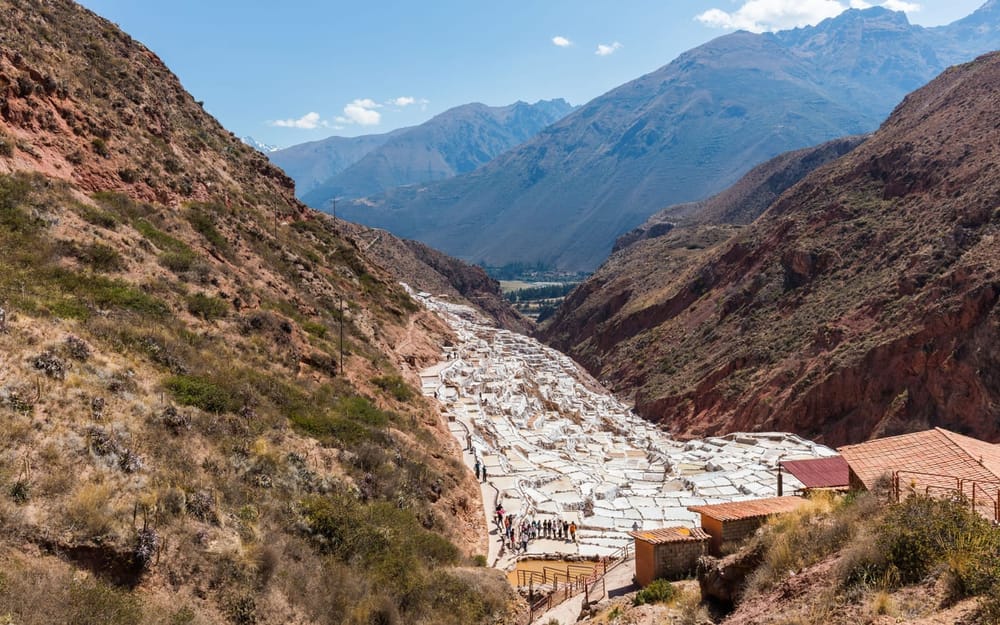
The white terraced salt pools of Salineras de Maras Private half-day tour from $72
🕒 Approx. 5 hours 📍 From Ollantaytambo (hotel pickup) ⭐ 4.9 (43)

From Ollantaytambo: Private Half-Day Tour to Maras & Moray

The best half-day if you are already staying in town. You skip the long Cusco transfer, reach Moray before the coach convoys and are back in Ollantaytambo in time for an afternoon train or a climb up Pinkuylluna.

  • Starts and ends in Ollantaytambo — no 05:00 start from Cusco
  • The 3,000 salt pans of Salineras de Maras, worked since before the Inca
  • Moray’s concentric terraces and their 15 °C micro-climates
The concentric agricultural terraces of Moray in the Sacred Valley Private one-way tour from $119
🕒 Approx. 8 hours 📍 From Ollantaytambo (hotel pickup) ⭐ 5.0 (79)

From Ollantaytambo: Moray, Salt Mines & Chinchero, Ending in Cusco

Instead of paying for a transfer and a tour, do both at once. You leave Ollantaytambo after breakfast, work your way up onto the high plateau and roll into Cusco in the evening having seen three major sites.

  • A sightseeing day that doubles as your transfer back to Cusco
  • Moray, the Maras salt pans, lunch in Maras and Chinchero
  • Private vehicle and guide, drop-off at your Cusco hotel
The whitewashed colonial church and market square of Chinchero Full-day tour from $26
🕒 Approx. 12 hours 📍 From Cusco (hotel pickup) ⭐ 4.8 (1,007)

Sacred Valley: Chinchero, Moray, Ollantaytambo & Pisac with Lunch

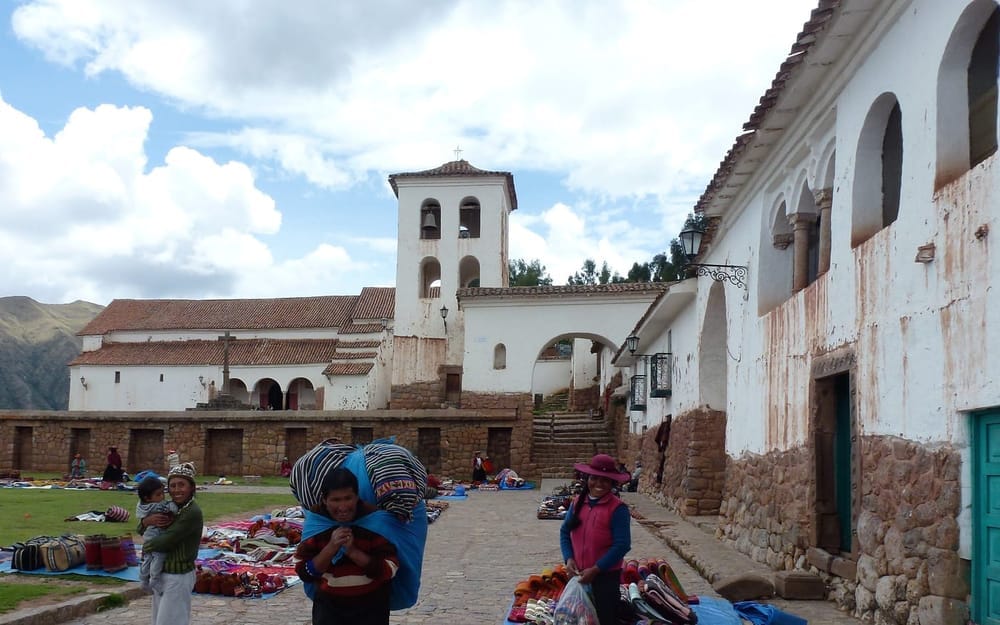
A fuller version of the standard loop, with a stop in Chinchero where women demonstrate the natural dyes and backstrap weaving that have run in these families for centuries.

  • Adds Chinchero and its weaving cooperatives to the classic circuit
  • Buffet lunch included, over 1,000 reviews
  • Moray, Maras and the Ollantaytambo temple complex

Moray FAQs

Frequently asked questions

What was Moray used for?

Almost certainly agricultural experimentation. The concentric terraces create distinct micro-climates spanning about 15 °C, letting Inca farmers test how crops behaved at effectively different altitudes — a laboratory built out of earth and stone.

Can you go down into the terraces at Moray?

Yes, a path leads to the floor of the main bowl. The climb back up at 3,500 m is more work than it looks, so pace yourself.

Is Moray worth visiting?

If you have any interest in how the Inca actually ran their state rather than just how they built walls, Moray is the most interesting site in the valley — and it pairs naturally with the Maras salt pans nearby.

All places to see

The terraces of Ollantaytambo rising towards the Sun Temple Inca sites & ruins

Ollantaytambo Ruins

Pachacuti’s unfinished masterpiece

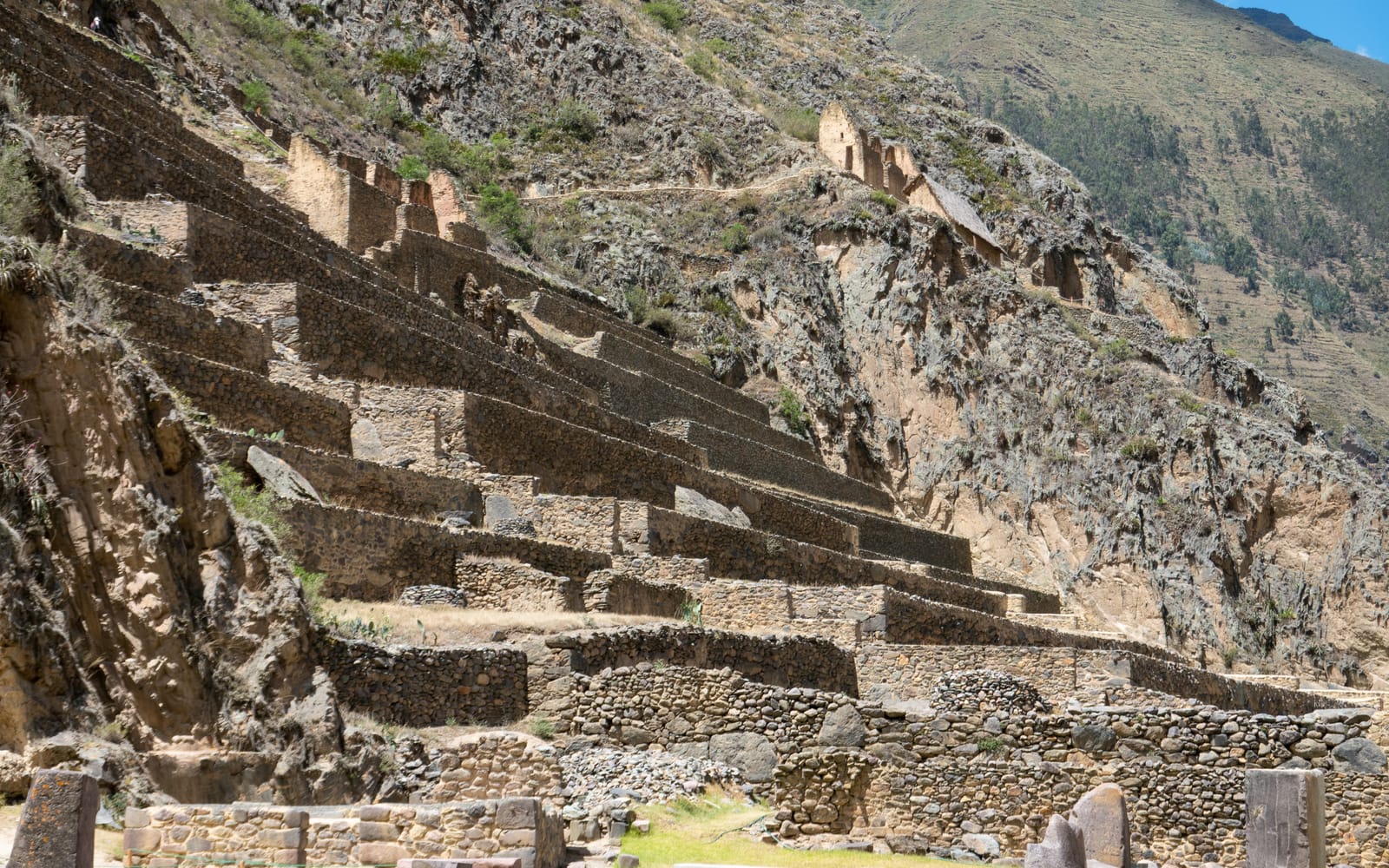
The great terraced temple hill above the town is one of the finest surviving Inca sites anywhere — seventeen tiers of stonework climbing to a Sun Temple whose fifty-tonne pink monoliths were dragged from a quarry across the valley and never quite set in place.

Inca storehouses clinging to the cliffs of Pinkuylluna above Ollantaytambo Inca sites & ruins

Pinkuylluna

Free views, Inca storehouses

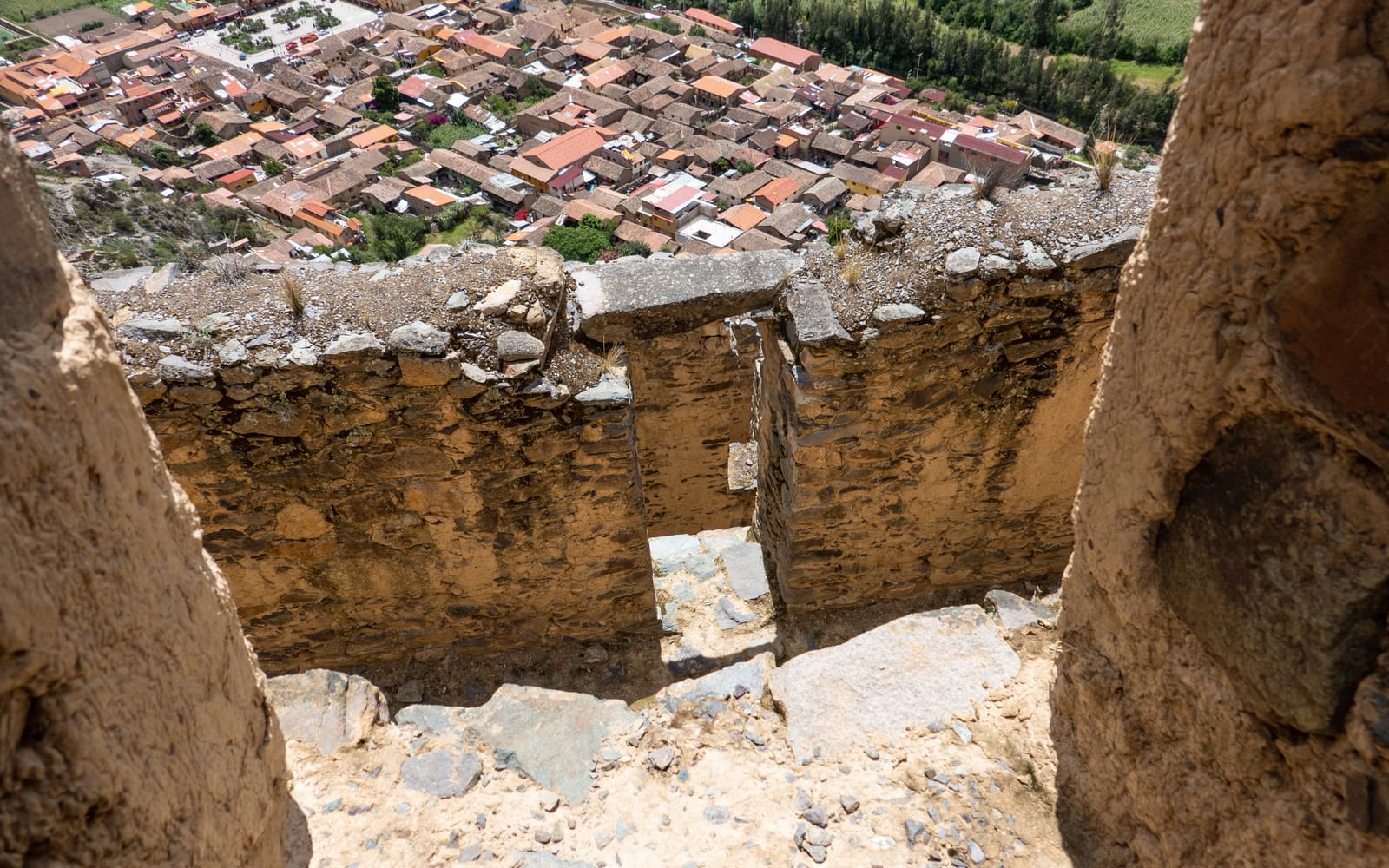
On the mountain facing the ruins, a steep footpath climbs past Inca granaries built high in the cold, dry air to preserve grain. It costs nothing, takes about an hour, and gives you the single best photograph of Ollantaytambo.

A narrow cobbled Inca street with original stone walls in Ollantaytambo Town & culture

The Inca Old Town

The last living Inca town

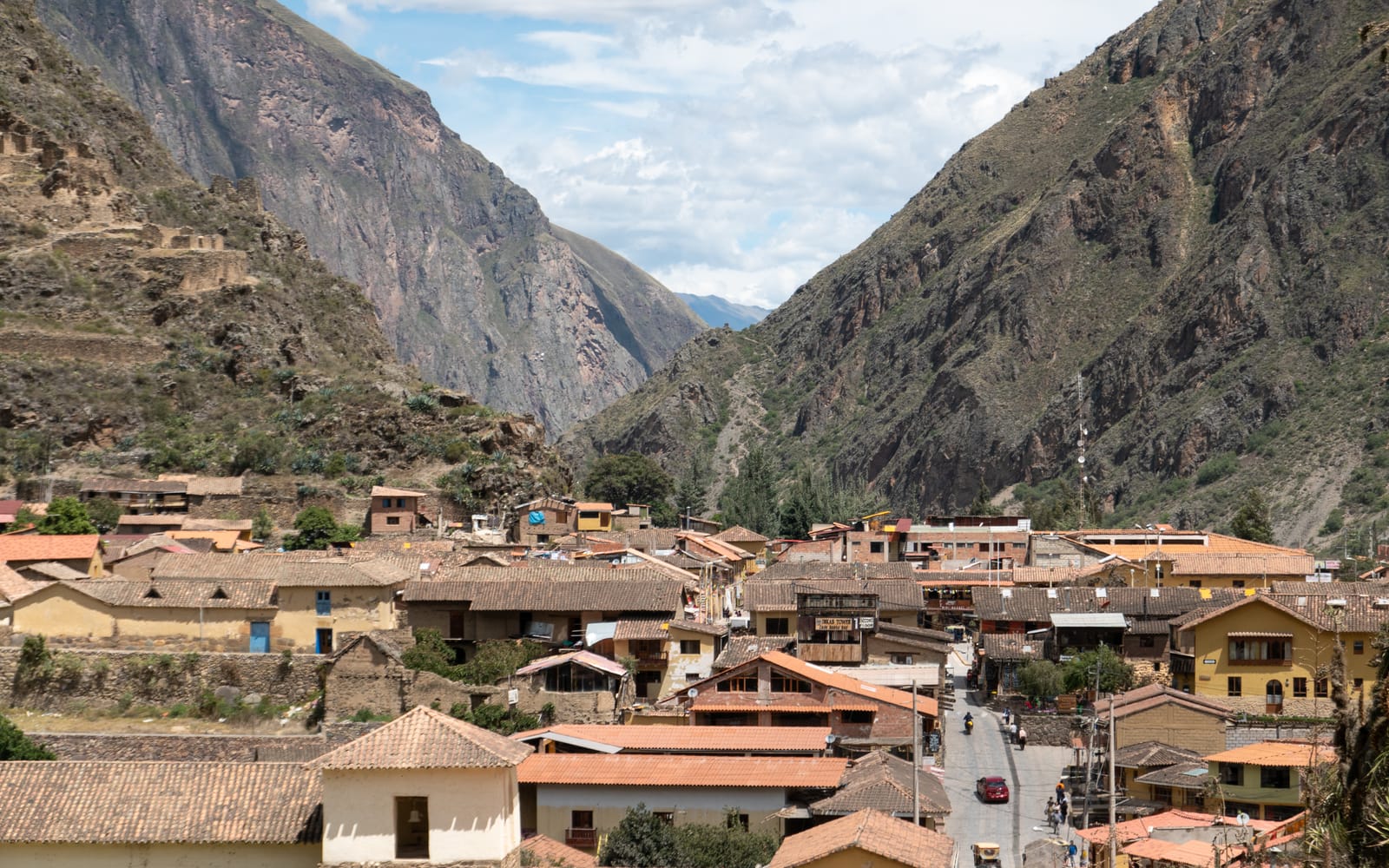
North of the plaza lies Qosqo Ayllu — a grid of walled Inca compounds, doorways and stone water channels laid out in the 15th century and lived in ever since. Nowhere else in Peru can you walk an Inca street that never stopped being a street.