Skip to content
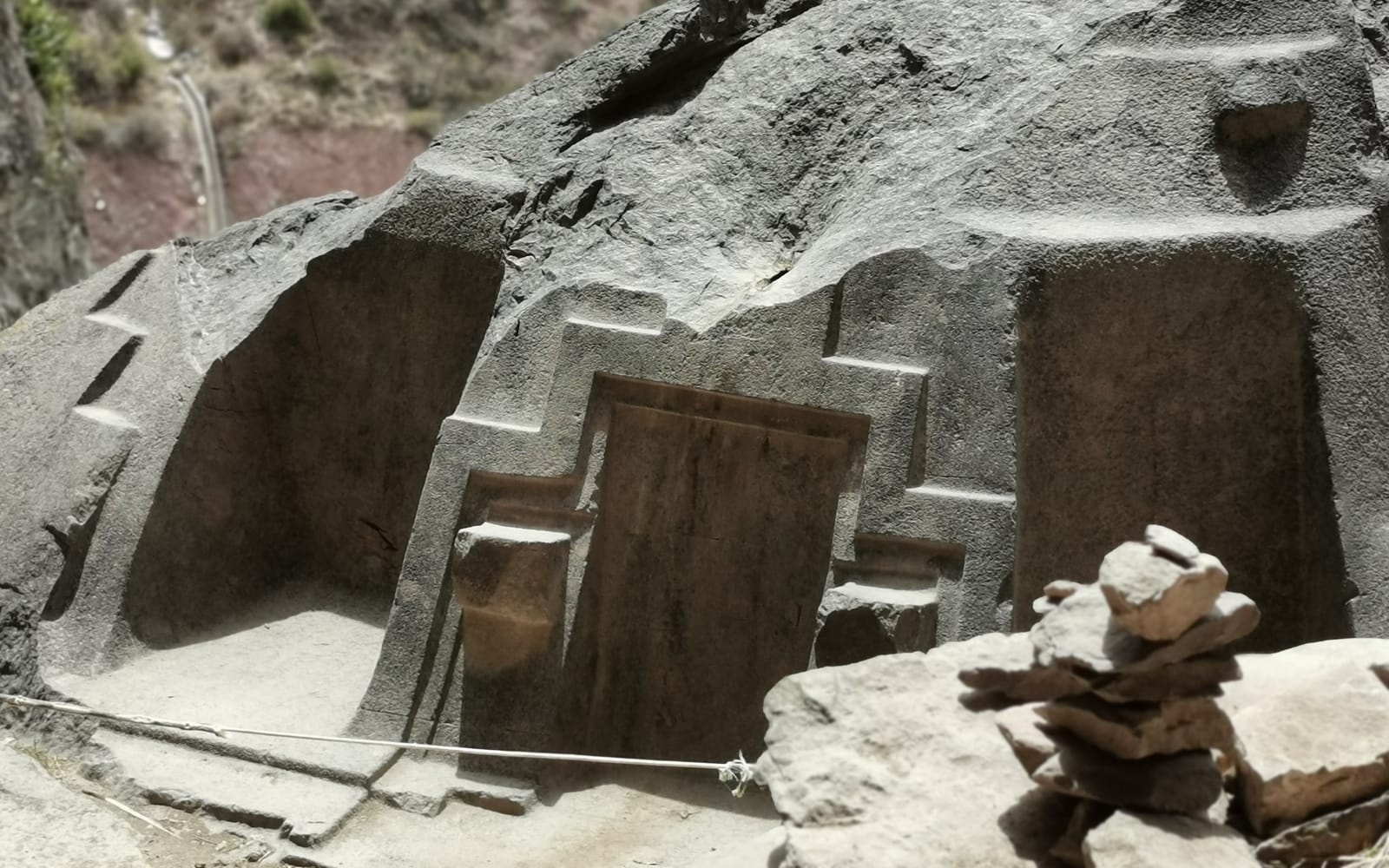
The rock-cut altar and false doorway inside the Ñaupa Iglesia cave shrine

Ñaupa Iglesia

A carved cave shrine few visitors find

There is no ticket office, no car park and no sign. Ñaupa Iglesia — also called Choquequilla — sits in a cliff above the Pachar bridge, twenty minutes down the valley from Ollantaytambo, and reaching it takes a stiff forty-minute climb up a farm track and a scree path.

What waits at the top is worth it: a shallow cave containing an altar carved from the bedrock in a stepped chakana form, and beside it a false doorway of such precision that the stonework looks machined. The site aligns with equinox light and was almost certainly a huaca — a sacred place — long before the Inca dressed it in cut stone.

Top things to do at Ñaupa Iglesia

Examine the rock-cut altar

The whole altar is subtractive — carved out of the living rock rather than assembled. The stepped Andean cross form is unmistakable.

Study the false door

The recessed trapezoidal doorway leads nowhere. In Andean thought these portals mark a threshold between worlds rather than rooms.

Take in the valley from the ledge

The cave mouth looks straight down the Urubamba towards Ollantaytambo. It is an obvious place to have put something sacred.

How to get to Ñaupa Iglesia

  • Drive or taxi 20 minutes from Ollantaytambo towards Urubamba and stop just after the Pachar bridge — any driver knows it.
  • The path starts beside the road and climbs steeply for 30 to 45 minutes through fields and scree.
  • A guide is genuinely useful here: the turn-off is unmarked and the interpretation is most of the point.

Insider tips

  • There is no entrance fee, and no facilities of any kind. Bring water.
  • Go in the morning — the cave is in deep shade by early afternoon and photographs badly.
  • Loose scree and no railings. Skip it in heavy rain, and skip it entirely if you are not sure-footed.
  • Leave the altar as you find it. Locals still make offerings here.

Best tours & tickets for Ñaupa Iglesia

These top-rated experiences are the easiest way to see Ñaupa Iglesia without organising a thing:
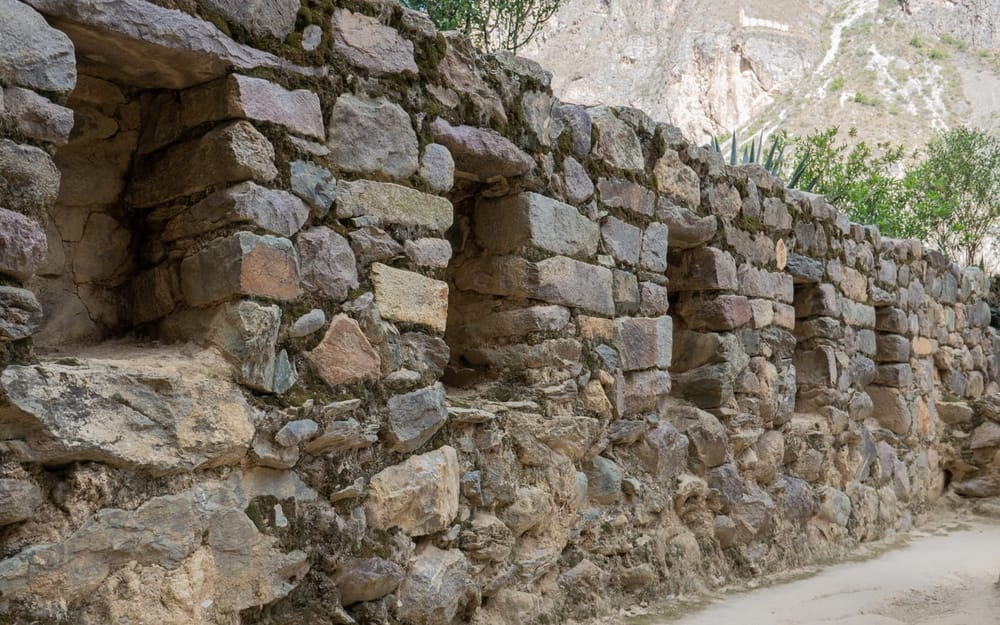
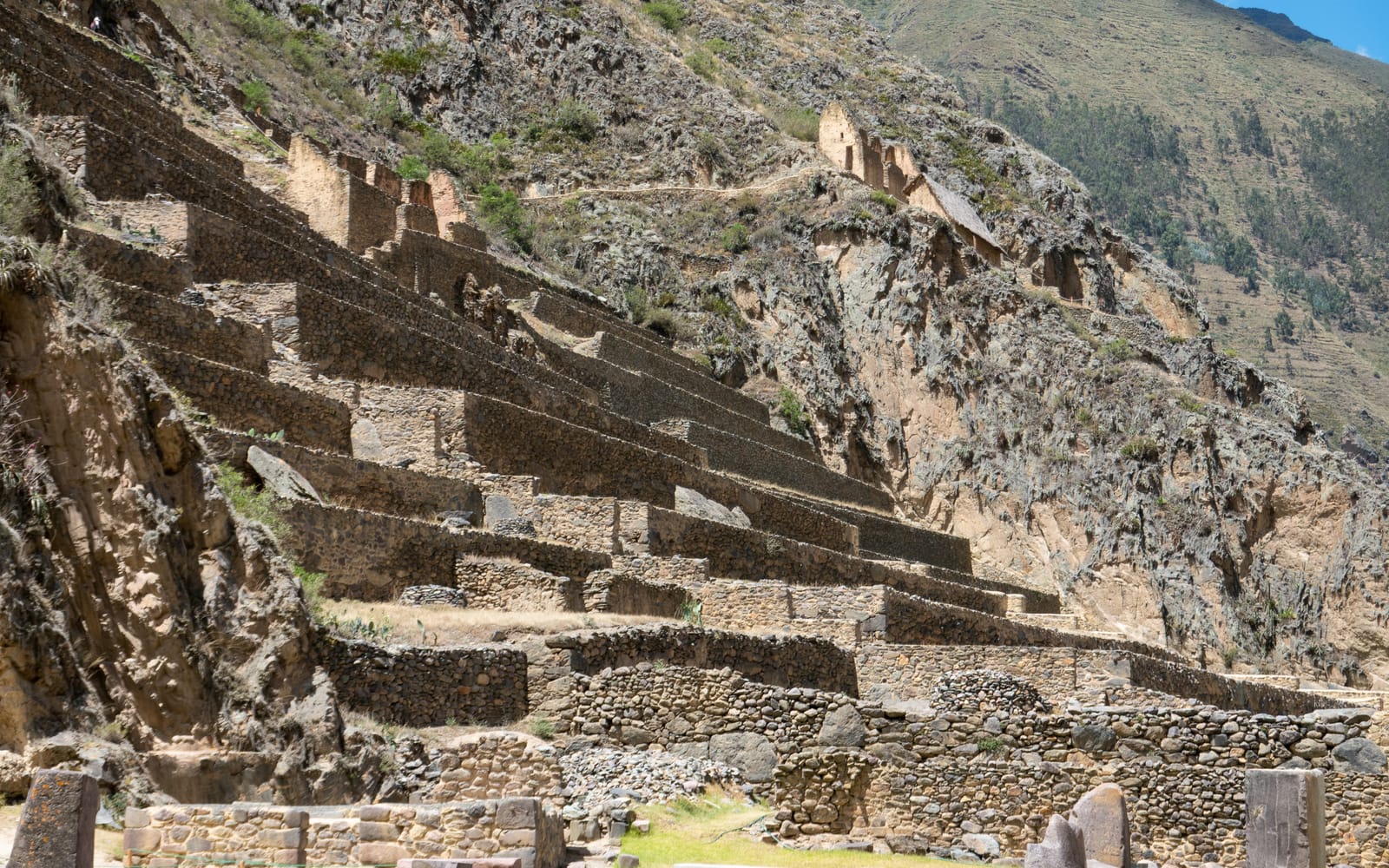
Inca stonework and terraces in the Ollantaytambo archaeological park Private cultural experience from $90
🕒 Approx. 3–4 hours 📍 From Ollantaytambo ⭐ 4.6 (5)

From Ollantaytambo: Private Spiritual Tour with an Andean Guide

A different reading of the same stones: not dates and dynasties but why this valley was laid out the way it was, and what the mountains around it still mean to the people who farm below them.

  • Walk the archaeological site with a Quechua-speaking Andean guide
  • A despacho offering to Pachamama, explained rather than performed at you
  • Meditation facing the sacred apu mountains that ring the town
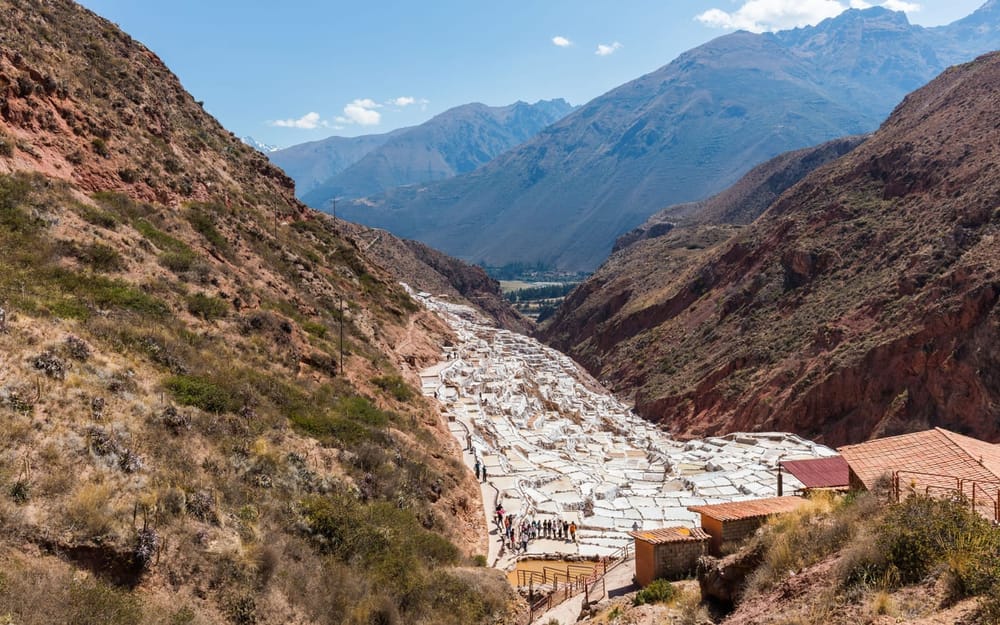
The white terraced salt pools of Salineras de Maras Private half-day tour from $72
🕒 Approx. 5 hours 📍 From Ollantaytambo (hotel pickup) ⭐ 4.9 (43)

From Ollantaytambo: Private Half-Day Tour to Maras & Moray

The best half-day if you are already staying in town. You skip the long Cusco transfer, reach Moray before the coach convoys and are back in Ollantaytambo in time for an afternoon train or a climb up Pinkuylluna.

  • Starts and ends in Ollantaytambo — no 05:00 start from Cusco
  • The 3,000 salt pans of Salineras de Maras, worked since before the Inca
  • Moray’s concentric terraces and their 15 °C micro-climates

Ñaupa Iglesia FAQs

Frequently asked questions

How do you get to Ñaupa Iglesia?

Take a taxi or colectivo 20 minutes down the valley from Ollantaytambo to the Pachar bridge, then climb the unmarked path for 30 to 45 minutes. Private Ollantaytambo tours will add it on request.

Is there an entrance fee for Ñaupa Iglesia?

No. It is an open site with no gate, no guardian and no ticket — one of the few places in the Sacred Valley you can still have to yourself.

Is Ñaupa Iglesia worth the hike?

If you have already done the headline sites and want something quiet and strange, yes. The stonework is extraordinary and you may well be the only person there.

All places to see

The terraces of Ollantaytambo rising towards the Sun Temple Inca sites & ruins

Ollantaytambo Ruins

Pachacuti’s unfinished masterpiece

The great terraced temple hill above the town is one of the finest surviving Inca sites anywhere — seventeen tiers of stonework climbing to a Sun Temple whose fifty-tonne pink monoliths were dragged from a quarry across the valley and never quite set in place.

Inca storehouses clinging to the cliffs of Pinkuylluna above Ollantaytambo Inca sites & ruins

Pinkuylluna

Free views, Inca storehouses

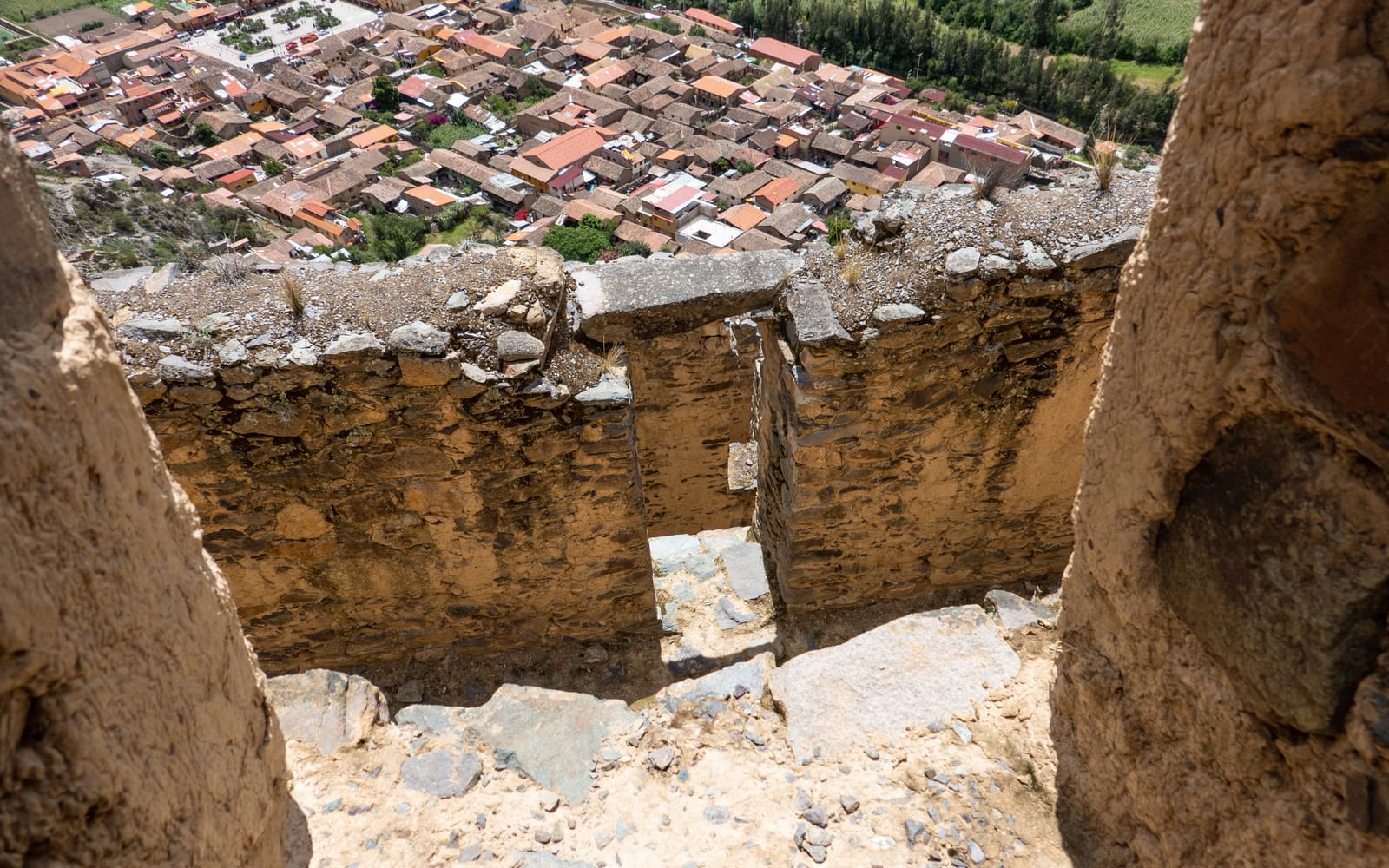
On the mountain facing the ruins, a steep footpath climbs past Inca granaries built high in the cold, dry air to preserve grain. It costs nothing, takes about an hour, and gives you the single best photograph of Ollantaytambo.

A narrow cobbled Inca street with original stone walls in Ollantaytambo Town & culture

The Inca Old Town

The last living Inca town

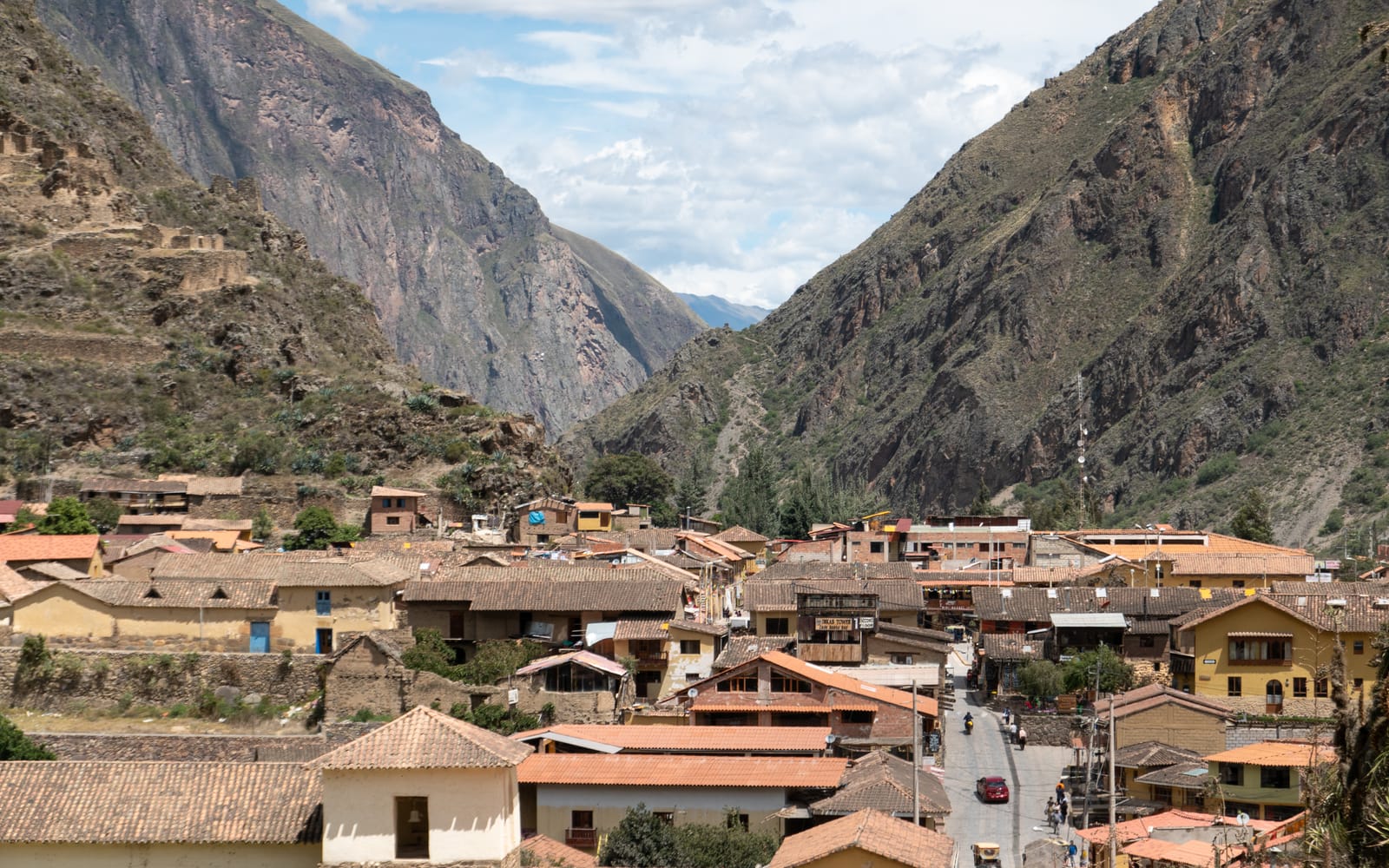
North of the plaza lies Qosqo Ayllu — a grid of walled Inca compounds, doorways and stone water channels laid out in the 15th century and lived in ever since. Nowhere else in Peru can you walk an Inca street that never stopped being a street.