Skip to content
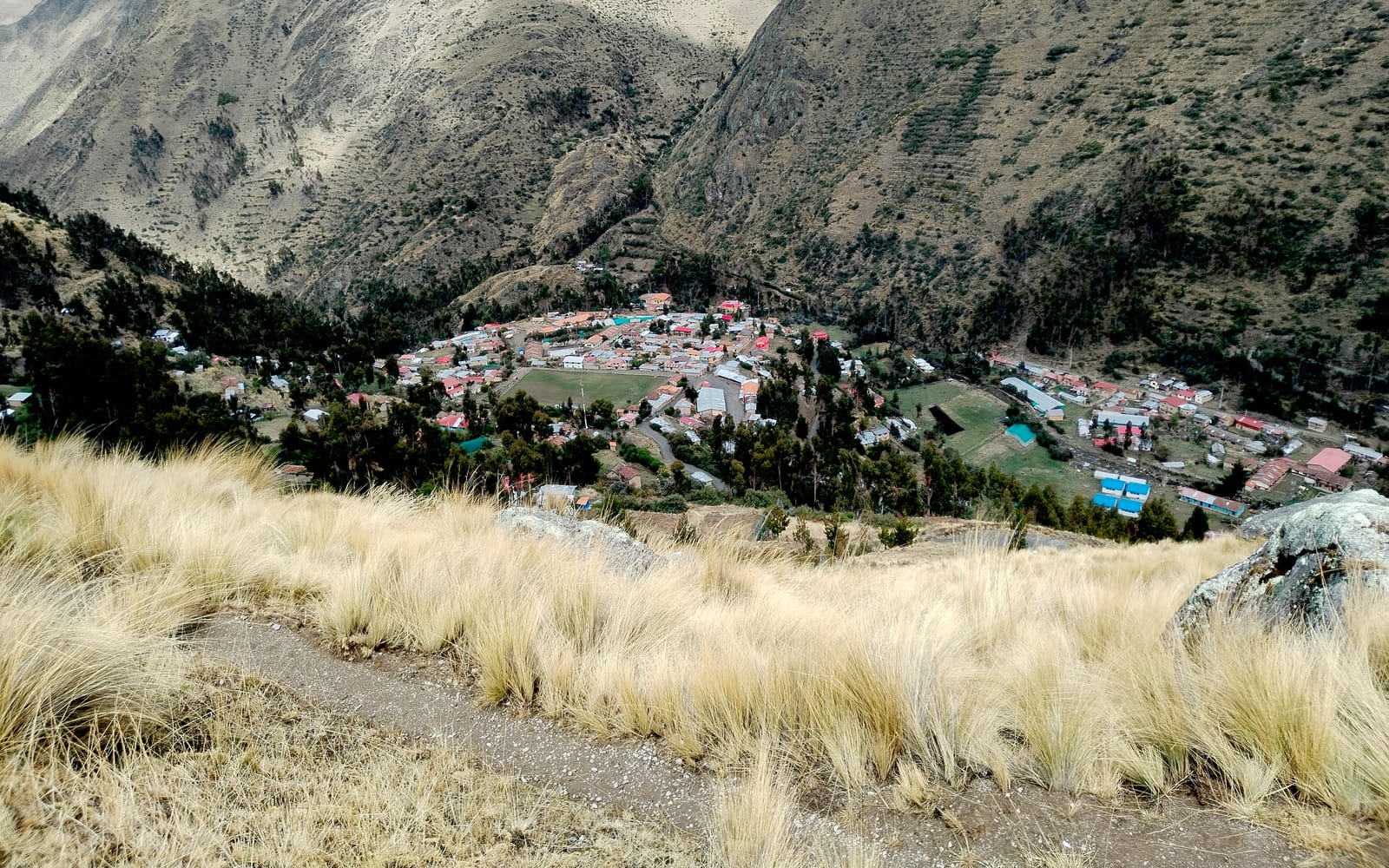
The high Patacancha valley with terraced fields above Ollantaytambo

Patacancha Valley

Weaving villages above the treeline

Behind Ollantaytambo a rough road climbs a side valley into country most visitors never see: terraced fields giving way to bunch grass, alpaca herds, and villages at 3,700 m where Quechua is the first language and Spanish the second.

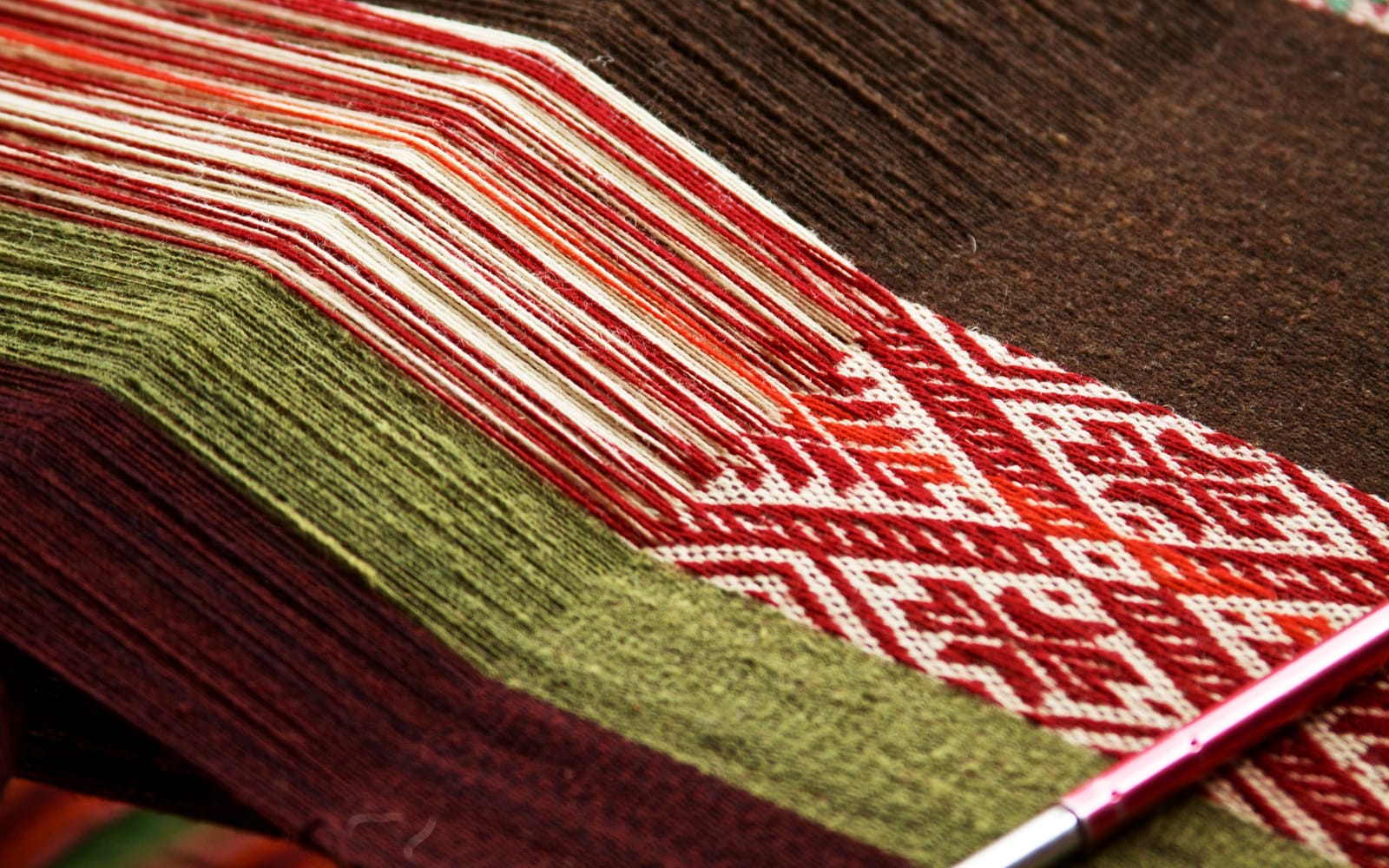
Patacancha and its neighbouring hamlets are known for textiles. Women here still spin, dye and weave on backstrap looms exactly as their grandmothers did, using cochineal, indigo and q’olle flowers for colour. Several community-run cooperatives welcome visitors, and the money goes to the weavers rather than a middleman. Halfway up the valley the Inca ruins of Pumamarca sit on a spur above the river, reachable on a fine half-day walk from town.

Top things to do at Patacancha Valley

Visit a weaving cooperative

A demonstration runs through the whole process — shearing, spinning, plant dyeing, weaving — and the textiles for sale are the real thing rather than acrylic market copies.

Hike to Pumamarca

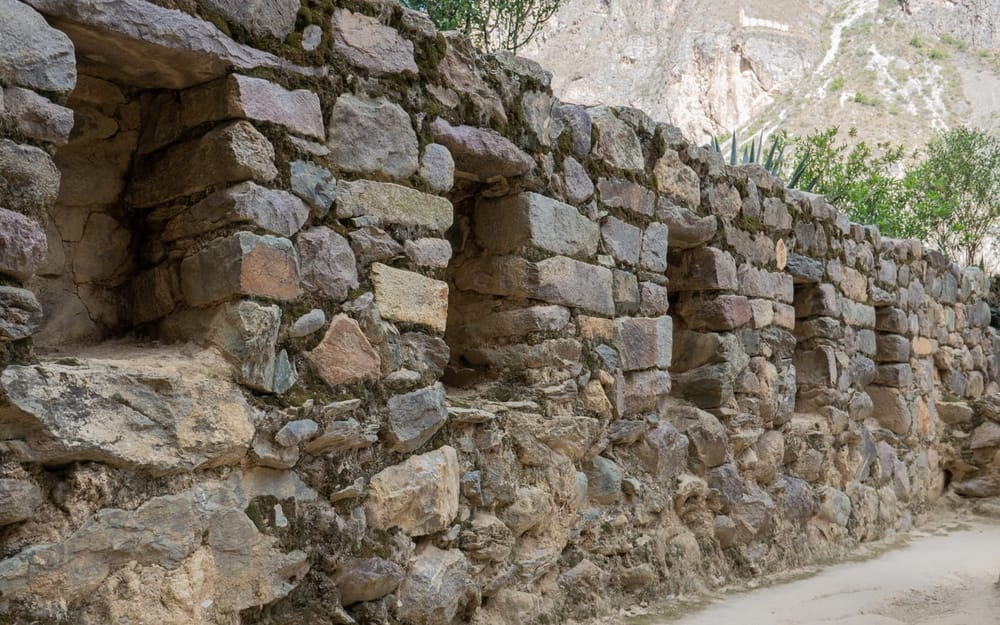
A three-hour walk up the Patacancha river from Ollantaytambo reaches a compact Inca settlement with terraces, storerooms and almost no other visitors.

Meet the herds

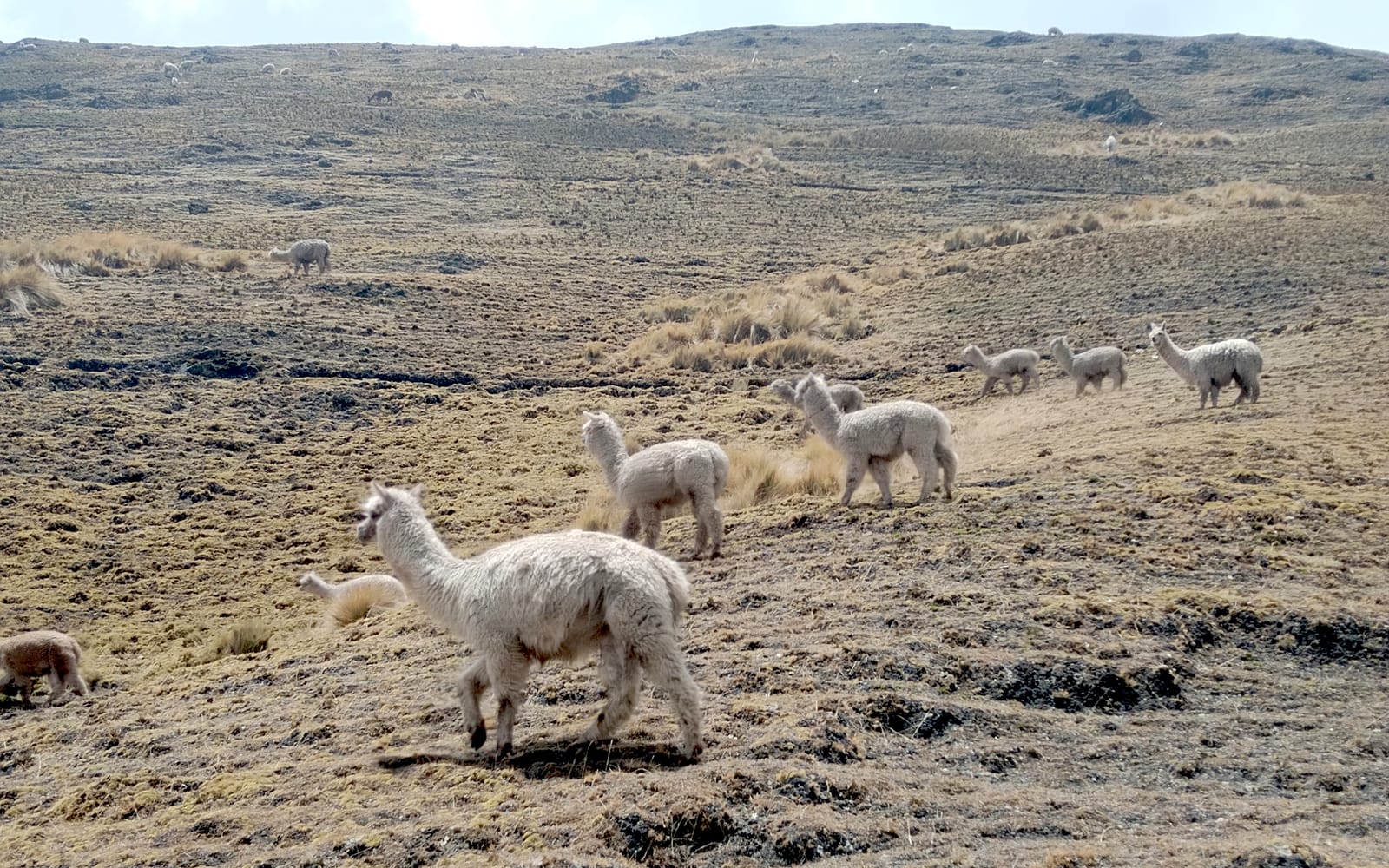
Above the last village the valley opens into alpaca and llama pasture — the animals whose wool the whole textile economy depends on.

Time it for a market day

Ask locally: the small communities hold irregular markets where the trade is still largely between villages rather than for tourists.
The high Patacancha valley with terraced fields above OllantaytamboThe high Patacancha valley with terraced fields above Ollantaytambo

How to get to Patacancha Valley

  • By car or taxi: 45 to 60 minutes up a rough unpaved road from Ollantaytambo.
  • On foot: the Pumamarca trail leaves from the top of town and follows the river — about 3 hours up, 2 down.
  • By tour: private Ollantaytambo guides run half-day cultural trips that combine a weaving visit with the ruins.

Insider tips

  • It is nearly 1,000 m higher than Ollantaytambo. Acclimatise first, and expect it to be cold and windy.
  • Bring cash in small notes — the cooperatives sell direct and there is nowhere to change money.
  • Ask before photographing people. A purchase or a small tip is the normal courtesy.
  • The road is genuinely rough. In the wet season it wants a 4x4 or a local driver who knows it.

Best tours & tickets for Patacancha Valley

These top-rated experiences are the easiest way to see Patacancha Valley without organising a thing:
Inca stonework and terraces in the Ollantaytambo archaeological park Private cultural experience from $90
🕒 Approx. 3–4 hours 📍 From Ollantaytambo ⭐ 4.6 (5)

From Ollantaytambo: Private Spiritual Tour with an Andean Guide

A different reading of the same stones: not dates and dynasties but why this valley was laid out the way it was, and what the mountains around it still mean to the people who farm below them.

  • Walk the archaeological site with a Quechua-speaking Andean guide
  • A despacho offering to Pachamama, explained rather than performed at you
  • Meditation facing the sacred apu mountains that ring the town
Hikers on the stone-paved Inca Trail high above the Urubamba valley Guided trek from $592
🕒 2 days 📍 From Cusco / Ollantaytambo (KM 104) ⭐ 4.8 (328)

Cusco: 2-Day Short Inca Trail to Machu Picchu with Vistadome Train

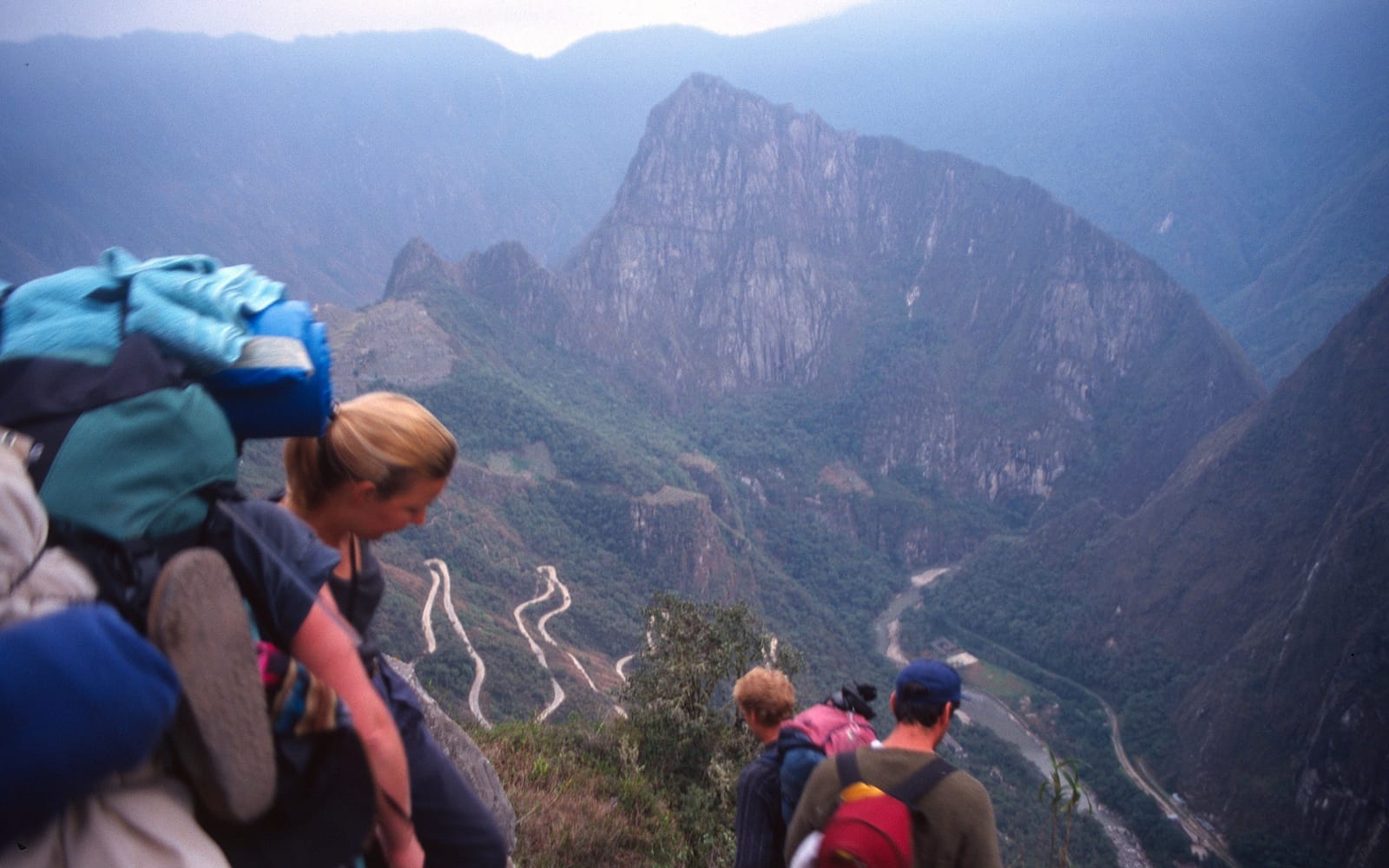
The Inca Trail without four days under canvas. You still walk original Inca paving, still reach Intipunku on foot, and still need a permit — which is why this books out months in advance.

  • Board the train at Ollantaytambo and step off at KM 104 to start walking
  • Wiñay Wayna ruins and an arrival at Machu Picchu through the Sun Gate
  • No camping — a hotel night in Aguas Calientes

Patacancha Valley FAQs

Frequently asked questions

Can you visit the weaving communities independently?

Yes, though a guide who speaks Quechua makes an enormous difference to what you get out of it. Community cooperatives generally prefer a little notice, which any Ollantaytambo hotel can arrange.

How hard is the hike to Pumamarca?

A steady 3-hour climb of around 500 m from Ollantaytambo, on a clear path. No technical difficulty, but the altitude makes it feel harder than the numbers suggest.

Is the Patacancha valley worth a day?

If you have three days in Ollantaytambo, yes — it is the best window into how people in this valley actually live, and it is completely free of coach traffic.

All places to see

The terraces of Ollantaytambo rising towards the Sun Temple Inca sites & ruins

Ollantaytambo Ruins

Pachacuti’s unfinished masterpiece

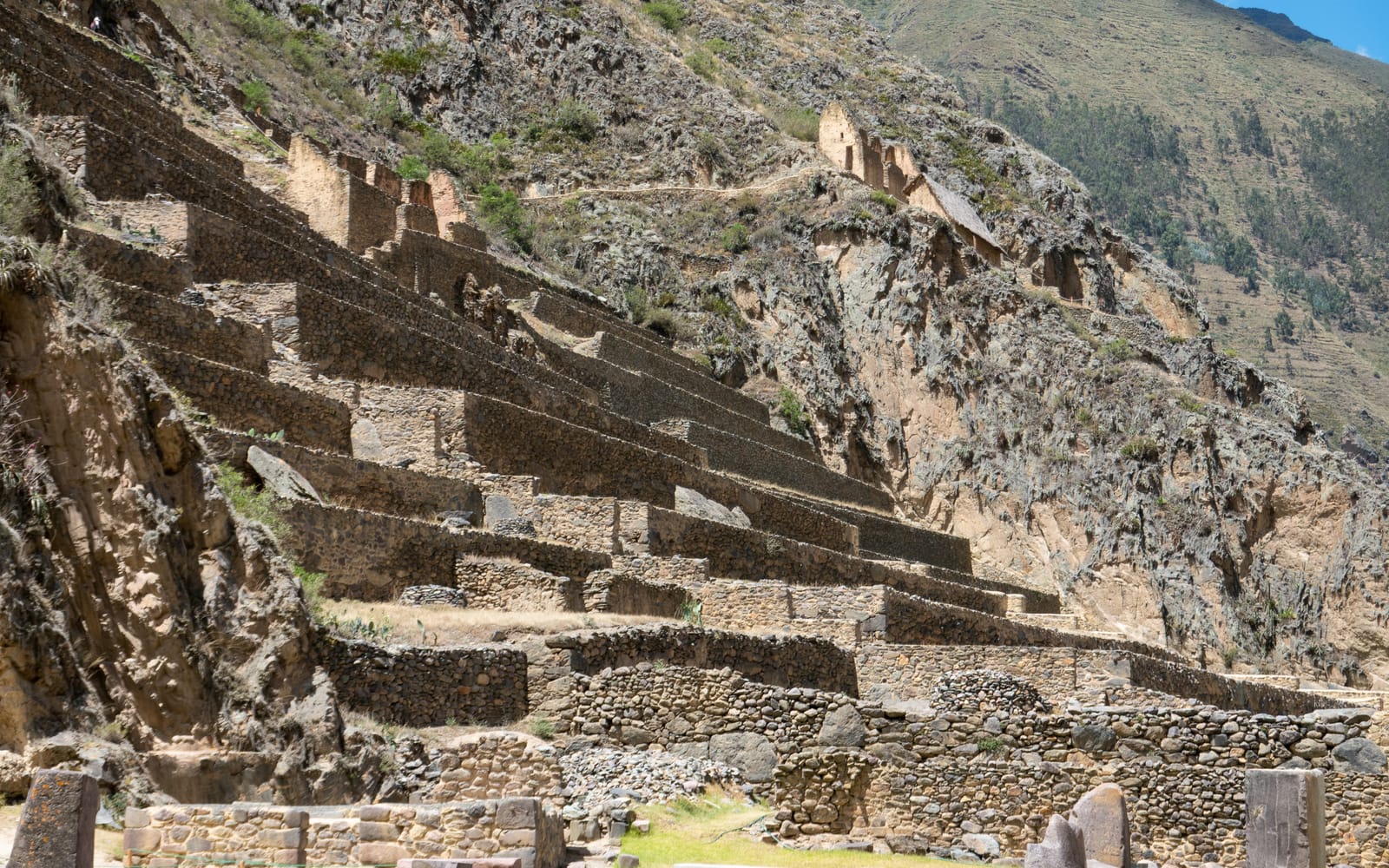
The great terraced temple hill above the town is one of the finest surviving Inca sites anywhere — seventeen tiers of stonework climbing to a Sun Temple whose fifty-tonne pink monoliths were dragged from a quarry across the valley and never quite set in place.

Inca storehouses clinging to the cliffs of Pinkuylluna above Ollantaytambo Inca sites & ruins

Pinkuylluna

Free views, Inca storehouses

On the mountain facing the ruins, a steep footpath climbs past Inca granaries built high in the cold, dry air to preserve grain. It costs nothing, takes about an hour, and gives you the single best photograph of Ollantaytambo.

A narrow cobbled Inca street with original stone walls in Ollantaytambo Town & culture

The Inca Old Town

The last living Inca town

North of the plaza lies Qosqo Ayllu — a grid of walled Inca compounds, doorways and stone water channels laid out in the 15th century and lived in ever since. Nowhere else in Peru can you walk an Inca street that never stopped being a street.